

Autos & Driving

The Seasonal Car Maintenance Checklist Every Driver Should Keep Handy

Share
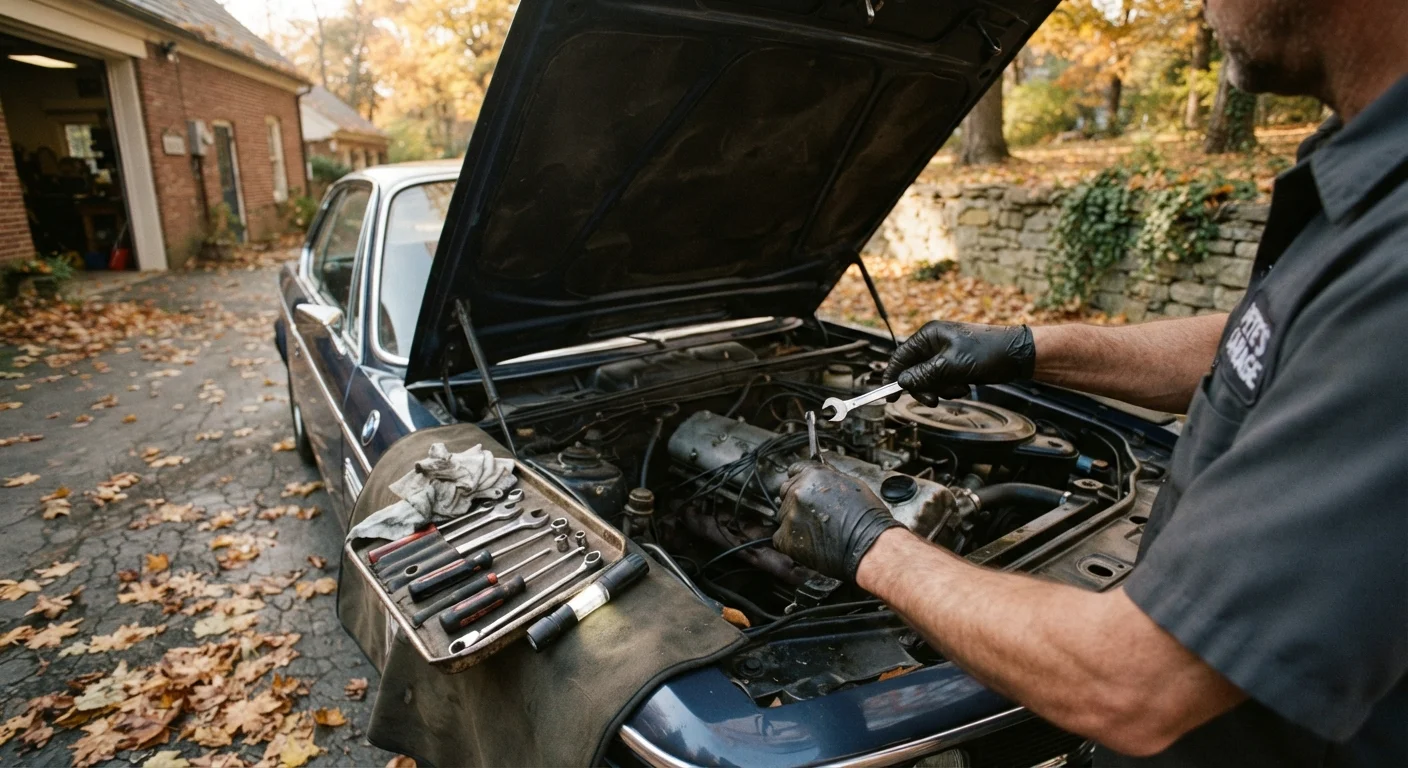
Mechanic performing seasonal car maintenance check under the hood on an autumn day.

Key Takeaways

Seasonal maintenance helps catch problems before they become expensive repairs or roadside emergencies.
Battery health, tyre pressure, and fluid levels are the three most season-sensitive items on any vehicle.
Cold weather strains batteries and thickens fluids; summer heat accelerates tyre wear and coolant demand.
Most seasonal checks can be done at home — a few require a qualified mechanic.
Your owner's manual is the authoritative source for your vehicle's specific service intervals.
30–60 min

Summary

24 items · 30–60 minutes per seasonal check

Why Seasonal Checks Matter More Than You Might Think

Most vehicle breakdowns don't happen without warning — they happen because small, manageable problems were left unaddressed until conditions pushed them past the breaking point. A battery that's marginal in October becomes a no-start situation on a January morning. A tyre running slightly low on pressure in June becomes a blowout risk on a hot August highway.

Seasonal maintenance gives you a structured opportunity to catch those developing problems before they escalate. It also helps you stay aligned with the service intervals in your owner's manual — the single most reliable source for what your specific vehicle actually needs. Learn how to read your owner's manual like a mechanic would to get the most from these checks.

This checklist is organised by season, with a year-round section covering the fundamentals that apply regardless of time of year. Work through it at the start of each season, or use individual sections as a targeted reference.

Required

Tyre Pressure Gauge

Accurately measures tyre inflation to ensure all four tyres and the spare are within the manufacturer's recommended range.

Required

Multimeter or Battery Tester

Tests battery voltage to identify whether the battery is holding a healthy charge ahead of cold or hot weather.

Required

Antifreeze Tester (Hydrometer or Refractometer)

Checks the freeze-protection level of your coolant mixture to confirm it's rated for local winter temperatures.

Required

Torchlight or Mechanic's Flashlight

Illuminates hard-to-see areas under the hood and beneath the vehicle when checking belts, hoses, and the undercarriage.

Required

Vehicle Owner's Manual

Provides the exact service intervals, fluid specifications, and tyre pressure figures specific to your make and model.

Optional

Maintenance Log (Paper or App)

Tracks completed checks, service dates, and mileage so you never lose sight of what's due next.

Using This Checklist Safely and Effectively

Before you begin, gather your tools and park on a flat, stable surface with the engine off and cooled. Most fluid checks and visual inspections are straightforward for any driver — but some items on this list require professional equipment or expertise to do safely.

Some Tasks Require a Qualified Mechanic

Checks involving brake components, the cooling system, wheel alignment, and the air conditioning refrigerant circuit should be performed or confirmed by a licensed mechanic. Attempting these without the right tools or training can cause injury or further vehicle damage. Use this checklist to identify issues — then book a professional service for anything beyond basic inspection.

Never Ignore a Dashboard Warning Light

If a warning light activates during or after any seasonal check, do not delay investigation. Some indicators — such as a low oil pressure or temperature warning — signal conditions that can cause serious engine damage if the vehicle continues to operate. Have the vehicle diagnosed by a qualified technician promptly.

For a broader look at what to check before every journey — not just seasonally — see our pre-trip vehicle checks guide. And if you're newer to car ownership, the practical introduction to keeping your car roadworthy covers the foundational habits every driver should build.

Your Owner's Manual Overrides General Advice

Manufacturer-specific service intervals and fluid specifications vary significantly by vehicle. The guidance in this checklist is general and educational — always cross-reference it against your owner's manual, which contains the most accurate schedule for your specific car. If your manual conflicts with any item here, follow the manual.

The Seasonal Maintenance Checklist

Work through the groups below in order, or jump to the relevant season. Items marked must are non-negotiable for roadworthiness and safety. Should items are strongly recommended and will help prevent problems. Nice to have items are optional enhancements worth doing when time allows.

Fall & Winter Preparation

Test your battery voltage — cold temperatures reduce battery capacity significantly, and a battery showing less than 12.4 volts at rest should be inspected by a mechanic. Must
Check tyre tread depth and consider switching to winter tyres if you regularly drive in temperatures below 45°F or in snow and ice conditions. Must
Inspect antifreeze (coolant) concentration to ensure the mixture is rated for the lowest expected temperatures in your area. Must
Verify that all lights — headlights, brake lights, and turn signals — are fully functional, since winter means more driving in low-light conditions. Must
Top up windshield washer fluid with a winter-rated formula that won't freeze in the reservoir or on the glass. Must
Inspect wiper blades and replace any that streak or skip; consider switching to winter-spec blades designed to handle ice and slush. Should
Check that your emergency kit is stocked with a scraper, jumper cables, and a small bag of sand or traction aid. Nice to have

Spring Transition Checks

Inspect the undercarriage and brake components for corrosion caused by road salt exposure over winter, and have a mechanic assess anything that looks pitted or compromised. Must
Check tyre pressure on all four tyres — and the spare — as pressure typically rises slightly with warming temperatures after the winter drop. Must
Examine wiper blades again after winter use and replace if streaking persists even after cleaning. Should
Check alignment if you notice pulling or uneven steering after a winter of potholes and rough roads. Should
Flush and refill washer fluid with an all-season formula now that freeze risk has passed. Nice to have

Summer Readiness

Check coolant level and condition — hot weather puts the cooling system under heavy load, and low or degraded coolant is a leading cause of summer overheating. Must
Inspect tyre pressure regularly throughout the summer, as pressure increases with heat and overinflated tyres are more prone to blowouts. Must
Check the air conditioning system for adequate cooling output; if airflow feels weak or air isn't cold, have the system inspected before peak summer heat. Should
Inspect the drive belt and serpentine belt for cracking or fraying, as high temperatures accelerate rubber degradation. Should
Park in shade where possible and use a windshield sunshade to reduce interior temperatures and slow dashboard material deterioration. Nice to have

Year-Round Fundamentals

Check engine oil level and condition every 1,000 miles or monthly — consult your owner's manual for the correct viscosity and change interval for your vehicle. Must
Inspect brake pads and rotors at each seasonal check, or sooner if you notice grinding sounds, vibration under braking, or an increased stopping distance. Must
Confirm all fluid levels — brake fluid, power steering fluid, and transmission fluid — are within the normal operating range. Must
Check the spare tyre is properly inflated and that the jack and lug wrench are accessible and in working order. Must
Review your owner's manual to confirm whether any scheduled service — air filter, cabin filter, spark plugs — falls due in the coming season. Should
Keep a written or digital log of every check and service performed, noting dates and mileage for reference. Should
Keep registration, proof of insurance, and any required inspection documentation current and stored in the vehicle. Must

For a deeper look at your vehicle's fluid system — including what each fluid does and how to read the indicators — see our guide to understanding your car's fluid system. For brake-specific guidance, our overview of brake maintenance signals and service intervals explains what to listen and feel for between professional services.

If your car has been sitting unused for an extended period, seasonal checks take on added importance — keeping a car in good shape through low-mileage stretches covers the specific risks that come with infrequent use.

Autos & Driving Editorial Team is the collective byline for our editorial team and contributor network. Articles published under this byline or an editorial pen name are researched, written, and reviewed according to our editorial standards for clarity, consistency, and independence before publication.

View all articles by Autos & Driving Editorial Team →
Disclaimer: The content on this site is for informational purposes only and is not a substitute for professional advice. Always consult a qualified professional for guidance specific to your situation.