

How Brakes Work and Why They Wear
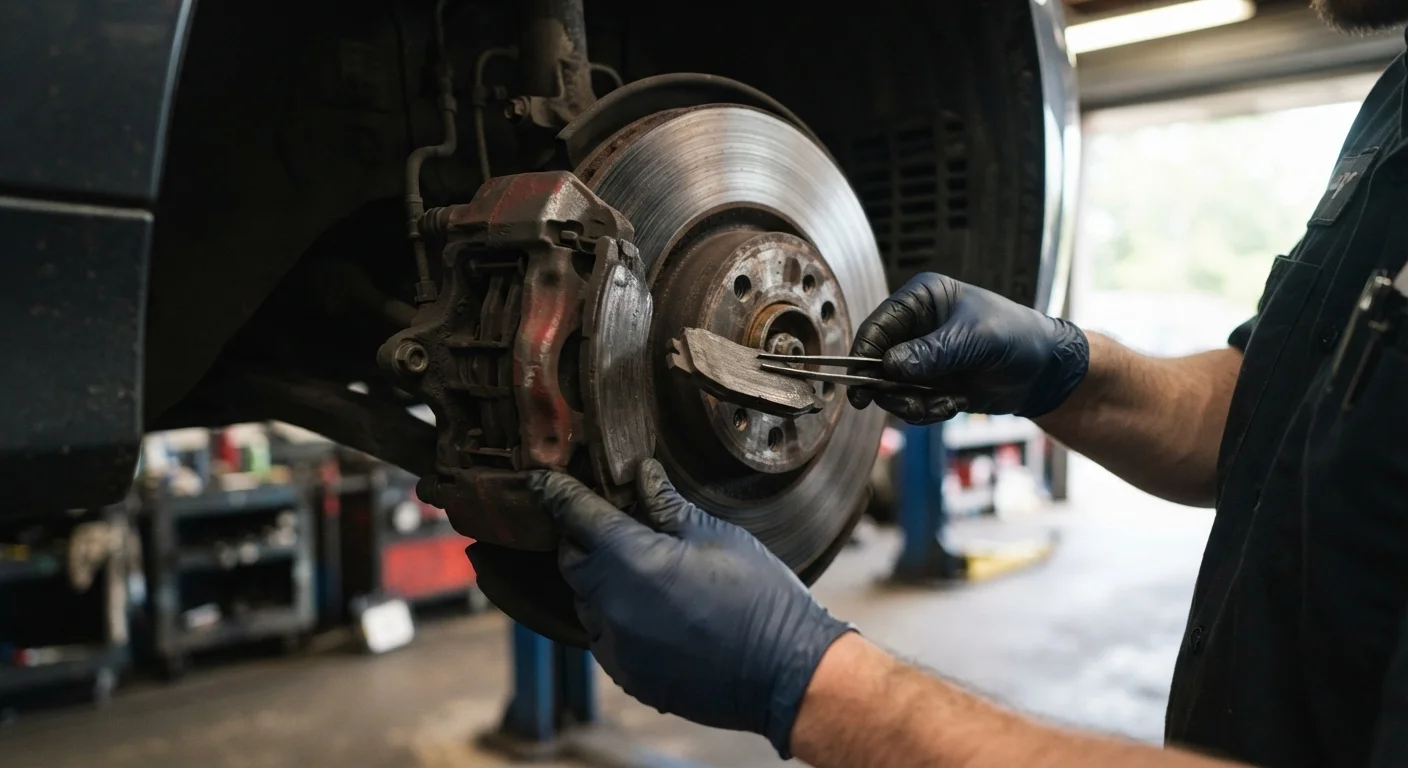
Every time you press the brake pedal, hydraulic pressure forces brake pads against spinning rotors, converting kinetic energy into heat to slow the vehicle. This friction-based system is highly effective — but it means components are consumed in the process. Understanding that wear is normal, predictable, and manageable is the foundation of effective brake maintenance.
Pad wear rates vary considerably depending on driving habits, vehicle weight, and the type of pad installed. Stop-and-go city driving wears pads faster than highway cruising. Towing or carrying heavy loads stresses the system more than unloaded driving. Aggressive braking from high speeds generates far more heat than gradual deceleration.
Rotors wear alongside pads, developing surface grooves over time. They can also warp from repeated thermal cycling — a condition that causes pedal vibration or pulsation during braking. For a broader picture of how neglecting brake maintenance feeds into larger repair costs, see the true cost of deferred car maintenance.
Warning Signs Every Driver Should Recognize
Brakes communicate their condition in several ways before they fail completely. Knowing what to listen and feel for lets drivers act early — when repairs are simpler and less expensive.
- Squealing or squeaking: A high-pitched sound when braking is typically the wear indicator doing its job — signaling that pad replacement is due.
- Grinding: A harsh metal-on-metal grinding noise means the pad material is fully depleted and the metal backing plate is contacting the rotor. This causes rotor damage and requires immediate service.
- Soft or spongy pedal: A pedal that feels mushy or travels further than usual before the brakes engage suggests air in the brake lines or low brake fluid — both serious issues.
- Pulling to one side: If the vehicle drifts left or right during braking, a caliper may be sticking or pad wear may be uneven.
- Vibration or pulsation: A pulsing pedal or steering wheel shake when braking typically points to warped rotors.
- Burning smell: A sharp chemical odor after heavy braking may indicate overheated brakes or a seized caliper — allow the vehicle to cool and inspect promptly.
Many of these signs appear subtly at first. Our article on early vehicle warning signs explains how to catch problems before warning lights illuminate.
What a Professional Brake Service Involves
A standard brake service at a qualified shop covers more than just swapping pads. Technicians typically inspect the entire system during a brake job, including rotor thickness and surface condition, caliper function, brake lines and hoses, and brake fluid quality. Some shops include a brake fluid test for moisture content using a calibrated tester — high moisture levels lower the fluid's boiling point, increasing fade risk.
Rotors below their manufacturer-specified minimum thickness must be replaced rather than resurfaced. Calipers with seized pistons or leaking seals are rebuilt or replaced. Hardware — the small clips and shims that keep pads positioned correctly — is also inspected and replaced as needed.
Brake inspections should be part of your regular maintenance rhythm. The seasonal car maintenance checklist is a practical way to ensure brakes are evaluated at regular intervals throughout the year. For fluid-specific guidance, understanding your car's fluid system covers brake fluid alongside all other essential vehicle fluids.
New drivers setting up their first maintenance schedule will find a solid starting framework in vehicle ownership for new drivers, which places brake care within a complete roadworthy routine.
This article provides general educational information about vehicle brake systems. Always consult a qualified, licensed mechanic for diagnosis, repair, and guidance specific to your vehicle.