

Key Takeaways
Our Verdict
Handheld phone bans represent the stricter legal standard and are now the norm across most of the US, while a smaller number of states still permit handheld use under certain conditions. Regardless of which category your state falls into, hands-free operation is consistently the safer and increasingly the legally required approach. Drivers should verify their specific state's rules — including any school zone, teen, or commercial driver provisions — before assuming a general rule applies to their situation.
| Best for | Recommended |
|---|---|
| Drivers wanting the safest legal option in any state | Hands-Free Operation |
| Teen or novice drivers subject to stricter provisions | Hands-Free Operation with no phone use at all when possible |
| Commercial drivers navigating federal and state rules | Hands-Free Operation (federal rules apply regardless of state law) |
The Legal Landscape: Two Broad Frameworks
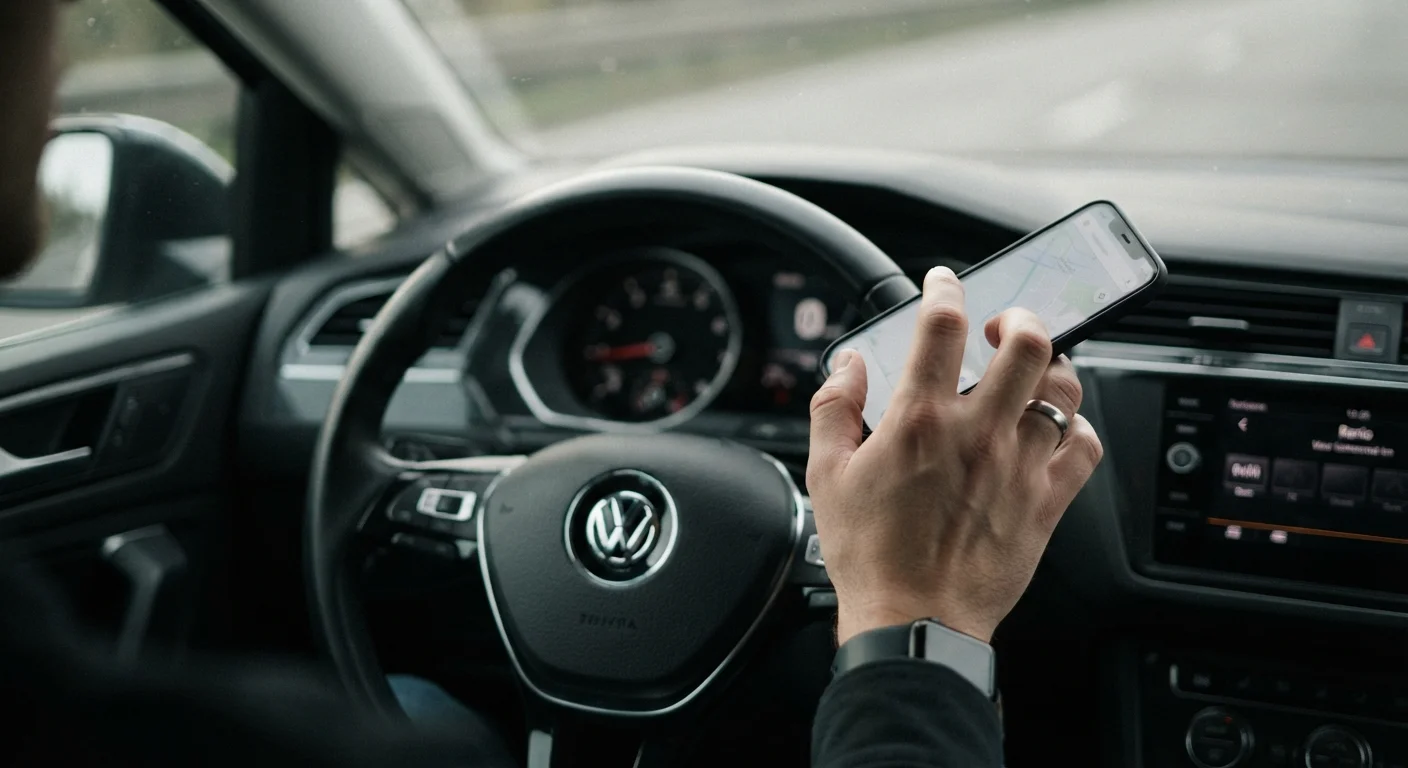
Phone use laws for drivers in the United States fall into two main categories: handheld bans and all-phone bans (commonly called hands-free laws). Understanding the difference matters, because penalties, exemptions, and enforcement approaches differ across states.
Handheld bans prohibit drivers from physically holding a phone to make or receive calls, send texts, or browse — but generally permit using a phone mounted on the dashboard or via Bluetooth. As of recent legislative cycles, the majority of states have enacted some form of handheld restriction.
All-phone or hands-free laws go further, requiring that any phone interaction happen through a hands-free device. Several states — including California, New York, Georgia, and Washington — enforce this broader standard. Drivers in these states cannot hold their phone for any reason while the vehicle is in motion, even briefly.
A small number of states still have more limited restrictions, often targeting only texting rather than calls. However, this is increasingly the minority position, as more legislatures have moved toward comprehensive handheld bans. For context on how other road safety rules vary by jurisdiction, see our overview on speed limits and what different signs legally require.
Handheld vs. Hands-Free: Key Differences Compared
The practical differences between these two legal standards affect not just what drivers can do, but also how violations are detected and penalized.
| Handheld Ban Only | Full Hands-Free Law | Teen/Novice Driver Rules | Commercial Driver Rules | |
|---|---|---|---|---|
| Phone can be held while driving | No | No | No | No |
| Bluetooth/mounted call allowed | Yes | Yes | Often prohibited entirely | Yes (hands-free only) |
| Texting while driving | Prohibited | Prohibited | Prohibited | Prohibited (federal) |
| Typical first-offense fine range | $20–$150 | $50–$200+ | Varies; often higher | Up to $2,750 (federal) |
| Enforcement type | Primary or secondary | Primarily primary | Primarily primary | Federal + state combined |
| License points possible | Sometimes | Often yes | Often yes | Yes; disqualification risk |
States with primary enforcement (meaning officers can pull you over solely for a phone violation) tend to issue fines more consistently than those with secondary enforcement, where a stop must be triggered by a separate infraction first. Fine amounts range widely — from around $20 in some states to over $200 for first offenses, with repeat violations carrying substantially higher penalties in many jurisdictions.
For teen drivers, the picture is even stricter. Many states that permit hands-free calls for adults ban all phone use — including hands-free — for drivers under 18 or those with a learner's permit or provisional license. This mirrors the layered approach described in graduated driver licensing programs, where new drivers face additional restrictions designed to reduce risk during the learning phase.
Commercial Drivers: Federal Rules Override State Law
If you operate a commercial motor vehicle (CMV) — including semi-trucks, buses, and other vehicles requiring a commercial driver's license — federal regulations set the baseline regardless of which state you're driving through. The Federal Motor Carrier Safety Administration (FMCSA) prohibits CMV drivers from using handheld mobile devices while driving and restricts device use to hands-free operation only.
Penalties for commercial drivers can include civil fines up to $2,750 per violation and driver disqualification for repeat offenses. Employers who knowingly allow or require drivers to use handheld phones can also face fines. This means that even in states with less comprehensive phone laws, commercial drivers must comply with the stricter federal standard.
Check Your State's Current Law Before You Travel
Phone laws are updated frequently at the state level, and what was legal in a state two years ago may not be today. Before a long road trip crossing multiple states, take a few minutes to check each state's DMV website or official traffic laws portal. When in doubt, keeping your phone mounted and using Bluetooth is the safest approach in any jurisdiction.
The Safety Reality: Why 'Legal' Doesn't Mean 'Safe'
A common misconception is that hands-free calls are essentially risk-free. Research from the National Safety Council and academic institutions consistently indicates that cognitive distraction — the mental demand of a phone conversation — persists even when both hands are on the wheel. Reaction times and hazard detection can be impaired regardless of whether the phone is held or mounted.
This is an important distinction for drivers to understand: complying with the law reduces legal risk, but it doesn't eliminate crash risk. As we explore in common road safety myths, the belief that hands-free calling is completely safe is one of the most widespread misconceptions on the road today.
Additionally, distracted driving carries its own legal consequences separate from phone-specific laws — including potential reckless driving charges if phone use contributes to a collision. Pedestrians and cyclists are particularly vulnerable to distracted drivers, and understanding driver responsibilities toward these road users is equally important. See our guide on pedestrian and cyclist rights on US roads for more.
This article provides general legal information for educational purposes only. Phone use laws change frequently — always verify current requirements with your state's Department of Motor Vehicles or a qualified legal professional before drawing conclusions about your specific situation.