

Key Takeaways
Why Grooming Is More Than Cosmetic
Most pet owners think of grooming as a tidiness habit — something done before company arrives or when fur gets matted. In practice, regular grooming is one of the most reliable ways to monitor your pet's overall health. Each session gives you direct contact with your pet's skin, coat, ears, eyes, paws, and teeth, which means you're positioned to notice changes before they become problems.
Dogs and cats both benefit from structured grooming schedules, though the specifics differ by species, coat type, and individual health status. For a broader overview of foundational care across all these areas, see our complete pet care reference.
Grooming as a Health Checkpoint
Think of each grooming session as a brief physical inspection, not just a cleaning task. Run your hands along your pet's back, sides, and belly to feel for any new bumps or sensitive spots. Catching a skin issue or mass early gives you and your vet more options.
Daily and Every-Other-Day Habits
Some grooming tasks reward consistency more than intensity. These are the habits worth building into your daily routine:
Brush your pet's coat daily or every other day based on coat length.
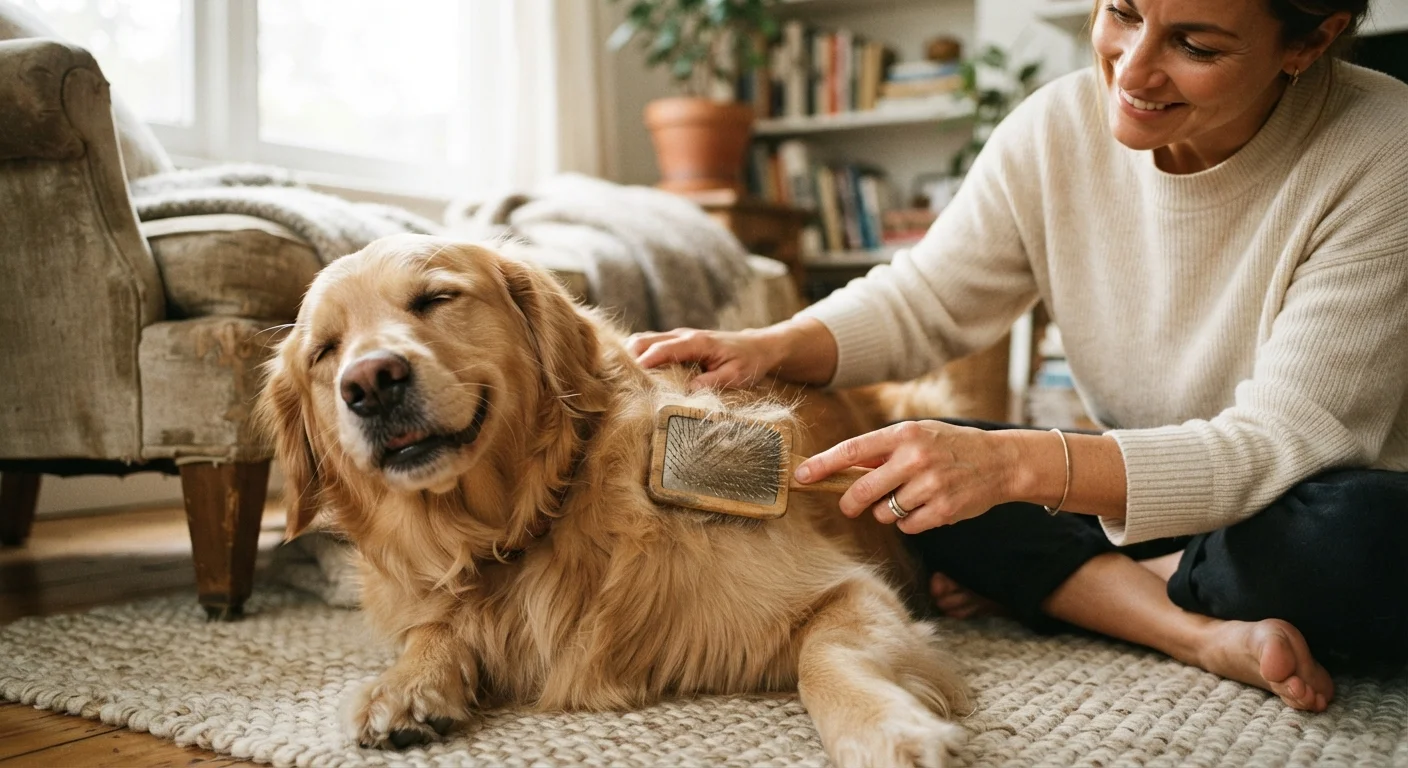
Regular brushing removes loose hair, distributes natural skin oils, and prevents mats that can trap moisture and cause skin irritation. It also gives you a tactile map of your pet's body so that lumps, scabs, or parasites are caught early.
Do a quick visual and sniff check of your pet's ears several times a week.
Ears are warm, often moist environments that can develop yeast or bacterial infections quickly. Early signs — mild odor, redness, or light debris — are much easier to address than a full-blown infection.
Wipe the corners of your pet's eyes daily if discharge or crust accumulates.
Some breeds are more prone to eye discharge than others, but any pet can develop buildup that irritates the surrounding skin and provides an entry point for bacteria. A damp cloth or pet-safe eye wipe handles this in seconds.
Handle your pet's paws briefly every day to check for debris, cracking, or sensitivity.
Paw pads are exposed to pavement heat, cold, salt, and rough terrain. Regular inspection catches cuts, foreign objects, or early signs of cracking before they cause limping or infection.
For dogs that resist bathing, establishing a calm daily touch routine — including handling paws and ears — makes occasional bath time far less stressful. Our guide to stress-free dog bathing walks through the full process.
Weekly and Monthly Tasks
Not every grooming task needs to happen daily, but letting weekly and monthly tasks slip creates compounding problems — overgrown nails that alter gait, tartar that leads to gum disease, or ear debris that creates a breeding ground for bacteria.
85%
Dogs with dental disease by age 3
The American Veterinary Medical Association notes that the majority of dogs show signs of periodontal disease by their third year, making early dental habits critical.
Every 3–4 weeks
Recommended nail trim frequency
Most veterinary and grooming professionals suggest nail trims approximately once a month for the average indoor dog or cat.
Nail trims for most dogs and cats are needed roughly every three to four weeks, though active dogs who walk on pavement may need them less frequently. If you hear nails clicking on hard floors, it's generally time for a trim. When in doubt about technique or frequency, your veterinarian or a professional groomer can demonstrate safe methods.
Dental care is among the most overlooked grooming tasks. Daily tooth brushing using pet-safe toothpaste is considered the gold standard by veterinary dental specialists, but even a few sessions per week meaningfully reduces plaque buildup compared to no brushing at all.
Cats and Self-Grooming Limits
Cats are meticulous self-groomers, but this doesn't mean they need no help. Long-haired breeds, senior cats with reduced flexibility, and overweight cats often cannot reach all areas effectively. Regular human-assisted brushing and periodic checks remain important even for cats that appear to groom themselves well. For more on common misconceptions about feline care needs, see our article on common cat health myths.
Start Early, Stay Consistent
Puppies and kittens who are gently introduced to grooming tools and handling from a young age typically tolerate — and sometimes enjoy — grooming sessions as adults. For pets adopted later in life, patience and positive reinforcement (small treats, calm voice, short sessions) help build tolerance over weeks rather than days.
Grooming routines also support mental wellbeing. The predictability of regular handling can reduce anxiety in some pets, and the focused attention itself functions as enrichment. To explore other ways to keep your pet engaged, see our article on everyday mental enrichment for pets.
Finally, grooming sessions are not a substitute for professional veterinary care. If you notice persistent odor, skin inflammation, discharge, hair loss, or behavioral resistance to touch in a specific area, consult your vet. Learn what to expect during those visits in our guide to preventive vet visits.