

Key Takeaways
Preventive Vet Visit
A preventive vet visit — also called a wellness exam or routine checkup — is a scheduled appointment where a veterinarian evaluates your pet's overall health even when no obvious illness or injury is present. The goal is to catch potential problems early, keep vaccinations current, and give owners practical guidance for ongoing care. These visits typically happen once or twice a year depending on your pet's age and health status.
Veterinarians follow established wellness protocols based on species, breed, age, and risk factors — meaning the exam structure is clinically guided, not one-size-fits-all.
What Happens During a Preventive Vet Visit
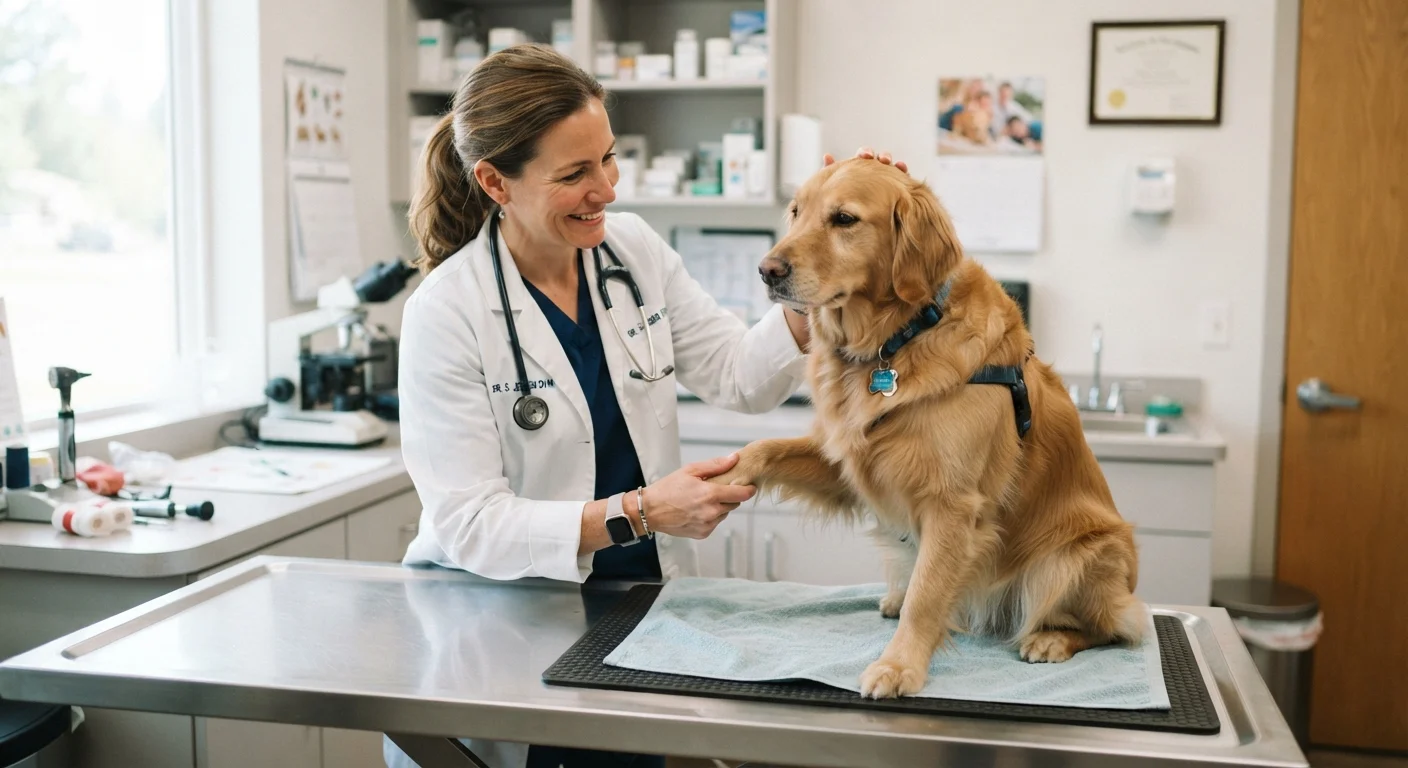
Despite the word "routine," a wellness exam covers a surprising amount of ground. Most appointments follow a consistent structure that gives the veterinarian a complete snapshot of your pet's health.
The visit typically begins with a technician recording your pet's weight, temperature, heart rate, and respiratory rate — the four basic vital signs. These numbers establish a baseline and are compared against previous visits to spot trends over time.
The veterinarian then performs a head-to-tail physical examination, which includes:
- Eyes and ears: Checking for discharge, redness, wax buildup, or signs of infection
- Mouth and teeth: Assessing gum color, tooth tartar, and signs of periodontal disease
- Skin and coat: Looking for parasites, hair loss, lumps, or skin irritation
- Heart and lungs: Listening with a stethoscope for murmurs or abnormal breath sounds
- Abdomen: Palpating (gently pressing) to assess organ size and detect discomfort
- Lymph nodes and joints: Feeling for swelling or restricted range of motion
After the physical, the vet discusses vaccination needs, parasite prevention (flea, tick, and heartworm), and any diagnostic tests — like bloodwork or a fecal exam — that make sense for your pet's age or history. This is also the moment to raise behavioral changes, diet questions, or anything you've noticed at home.
Come Prepared to Make the Most of Your Visit
Write down any behavioral changes, new symptoms, or diet adjustments before you arrive — even minor details can be clinically useful. If your pet has had previous bloodwork or imaging at another clinic, bringing those records allows the vet to compare results over time rather than starting from scratch.
If your pet is new to your household, the first week at home guide covers what to expect before that initial vet appointment.
How Often Pets Should Be Seen — and Why It Varies
Visit frequency isn't arbitrary. It's based on where your pet is in their life stage and whether any ongoing health concerns require closer monitoring.
1–2×/year
Recommended wellness visit frequency for healthy adult pets
The American Veterinary Medical Association and most veterinary practices recommend annual exams as a minimum standard for adult dogs and cats.
70%
Dogs over age 3 with some degree of dental disease
According to the American Veterinary Dental College, periodontal disease is one of the most common conditions identified during routine wellness exams in adult dogs.
Every 3–4 weeks
Visit interval for puppies and kittens in vaccine series
Young animals require a series of vaccinations spaced closely together to build adequate immune protection during their first months of life.
Life-Stage Guidelines
- Puppies and kittens (under 1 year)
- Typically need visits every 3–4 weeks until their initial vaccine series is complete, usually around 16 weeks of age.
- Healthy adult pets (1–7 years, varies by species)
- Once-yearly wellness exams are the general standard for most dogs and cats in good health.
- Senior pets (7+ years for most dogs; 10+ for many cats)
- Semi-annual visits — every six months — allow earlier detection of age-related conditions like kidney disease, arthritis, or thyroid dysfunction.
Large and giant dog breeds age faster physiologically than small breeds, so some veterinarians recommend more frequent senior screening for them starting earlier. Your vet's recommendation will account for your specific pet's breed, weight, and health history.
Why Preventive Care Outperforms Reactive Treatment
One of the core principles behind preventive care is that many conditions are far easier — and less expensive — to manage when caught early. Dental disease, for example, progresses silently in most pets and often goes unnoticed by owners until it causes significant pain. A yearly oral exam can flag early-stage tartar buildup before it advances to tooth loss or systemic infection.
Bloodwork panels performed at wellness visits can reveal early kidney dysfunction, elevated blood sugar, or thyroid imbalances before clinical symptoms appear. At that stage, dietary adjustments or management strategies often have the greatest impact on slowing disease progression.
Parasite Prevention Requires Year-Round Consistency
Many pet owners assume parasite prevention is only necessary in warmer months, but fleas, ticks, and heartworm-carrying mosquitoes can be active in mild winter conditions in many parts of the US. Your veterinarian can advise on the appropriate year-round protocol based on your region and your pet's lifestyle.
Parasite prevention is another area where consistency matters. Heartworm disease, for instance, is preventable with monthly medication but difficult and costly to treat once established. A wellness visit keeps preventive prescriptions current and ensures the approach fits your pet's current lifestyle and risk level.
Preventive care also supports the owner-vet relationship. A veterinarian who examines your pet annually builds familiarity with what's normal for that individual — making it easier to recognize subtle changes that might signal a developing problem. This continuity of care is part of what makes regular visits valuable beyond just the exam itself. For a broader look at how preventive health fits into complete pet ownership, see the complete owner's reference.
Questions Worth Asking at Every Appointment
The exam table is one of the best places to get reliable, personalized guidance — and most veterinarians welcome owner questions as a productive part of the appointment. Coming prepared helps you get more out of each visit.
Consider raising these topics:
- Diet and weight: Is my pet's current food and portion size appropriate? Has their weight changed?
- Dental health: What's the state of their teeth, and should I be brushing at home?
- Behavioral changes: I've noticed — is that worth monitoring?
- Parasite prevention: Is our current flea, tick, and heartworm plan right for where we live and how they spend time outdoors?
- Next screening milestone: Based on their age, what tests should we consider over the next year?
Between visits, pairing consistent grooming routines with your vet's guidance creates a strong foundation for long-term pet health. The daily grooming habits guide is a practical companion for keeping up with at-home checks between appointments.
“Regular wellness exams allow us to detect subtle changes in a pet's health before they become significant problems. Many of the conditions we catch early — dental disease, early kidney changes, weight gain — are much more manageable when identified at a routine visit rather than when the pet is already symptomatic.”
— Veterinary Wellness Education Panel, Composite guidance from board-certified veterinary practitioners on preventive care standards
This article is for general informational purposes and does not constitute veterinary advice. Consult a licensed veterinarian for guidance specific to your pet's health needs.