

Key Takeaways
Why Local Holidays Catch Travelers Off Guard
Most travelers check the weather and major sights before a trip — but local public holidays often fall off the radar entirely until someone arrives to find a shuttered museum, a cancelled ferry, or streets packed with celebratory crowds they hadn't anticipated. Holiday calendars vary enormously by country, region, and religion, and even experienced travelers can be caught flat-footed by a lesser-known observance.
The good news: a little upfront research goes a long way. Understanding how holidays affect your destination lets you either plan around disruptions or actively lean into them for a richer cultural experience. As part of the anatomy of a well-planned trip, holiday awareness belongs right alongside visa checks and packing lists.
Turn Holidays Into Highlights
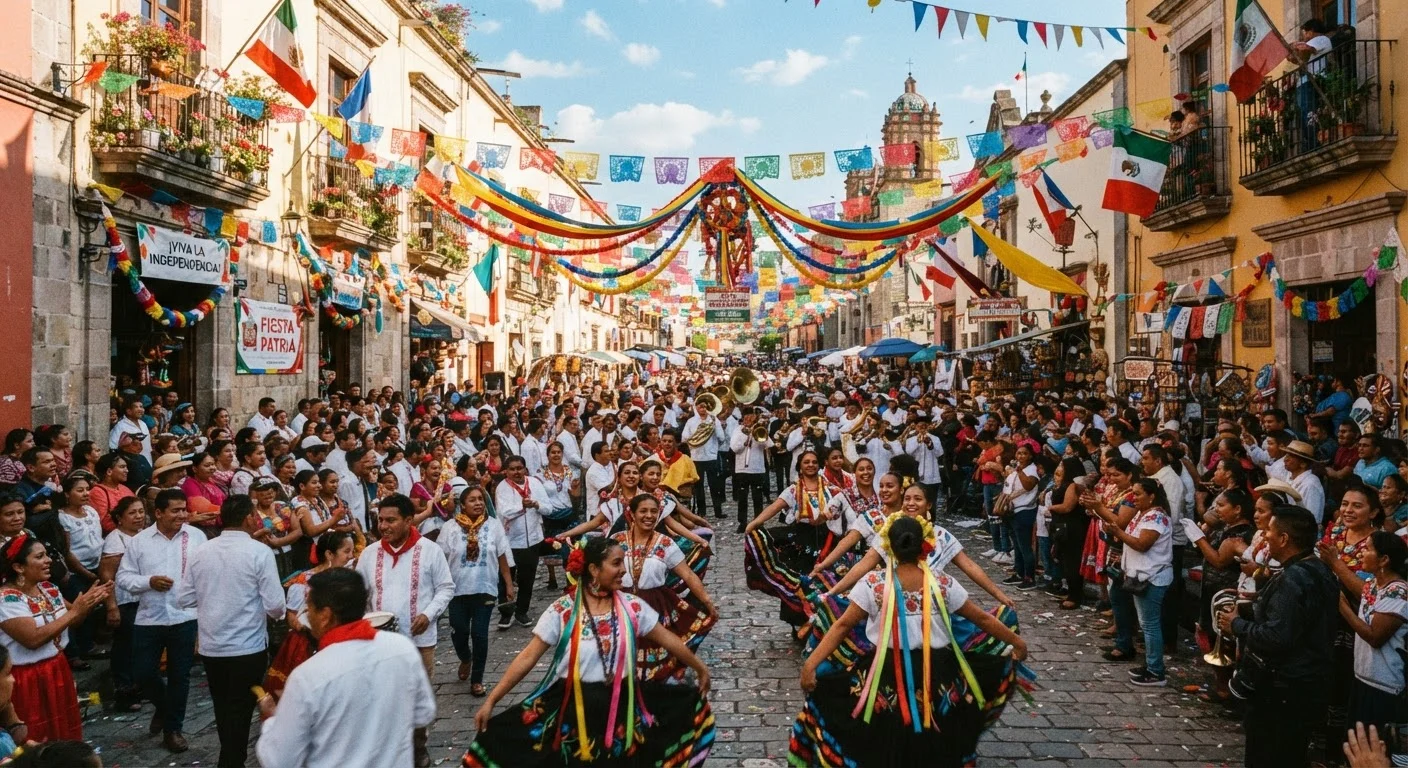
Arriving during a local festival or national celebration can be one of the most memorable travel experiences possible. Parades, communal meals, traditional music, and street markets often open doors that regular tourist itineraries never reach. If your schedule allows flexibility, leaning into a local holiday rather than avoiding it can elevate your entire trip.
What You'll Need Before You Start
What you will need
Official National Tourism Website
Provides authoritative, up-to-date public holiday calendars and seasonal event information for your destination.
Government or Embassy Portal
Confirms official public holiday dates and any related travel advisories or entry rule changes.
Calendar App or Travel Planner
Helps you map holiday dates against your itinerary to spot conflicts or opportunities at a glance.
Accommodation Booking Platform
Lets you check availability and pricing shifts around holiday periods so you can book ahead if needed.
Step-by-Step: Researching and Planning Around Holidays
List your destination's public holidays for your travel window
Start by identifying every official public holiday — national, regional, and religious — that falls within your travel dates. Don't limit yourself to national holidays; many countries observe state-level or city-specific holidays that tourists rarely anticipate. Search the official tourism board or government portal of your destination, and cross-reference with the nearest embassy or consulate website for your home country.
Note that religious holidays (such as Ramadan, Diwali, or Easter) shift dates annually based on lunar or liturgical calendars. Confirm the exact dates for your specific travel year.
Identify what typically closes or changes during those holidays
Not all holidays affect travelers equally. Some close museums and government offices while leaving restaurants and shops open. Others — particularly major national celebrations or religious observances — may shut down entire cities. Research what your planned activities, transport links, and essential services look like on those specific days.
Check directly with attractions, tour operators, and local transit authorities where possible, as hours listed online are not always updated in time for the current year.
Decide whether to embrace, adapt, or avoid the holiday
Once you understand the impact, make a deliberate choice. Some holidays are worth building your trip around — a national day parade, a harvest festival, or a cultural ceremony can be a genuine highlight. Others may simply require shuffling your itinerary so that museum visits fall on non-holiday days. And occasionally, if a holiday creates logistical barriers too complex to work around, adjusting your travel dates is the right call.
For a broader look at how timing affects your experience beyond just cost, see our guide to peak and off-season travel.
Book accommodation and key attractions early
Local holidays drive up domestic travel — meaning locals as well as tourists compete for hotels, restaurants, and popular sites. If your trip overlaps with a major holiday, book accommodations and any ticketed attractions well in advance. Cancellation policies matter too; weigh the trade-offs between flexibility and price security as discussed in our flexible vs. fixed booking guide.
Build holiday contingencies into your itinerary
Even with solid research, surprises happen. Build buffer time around holiday days — avoid scheduling must-do activities on the holiday itself unless you've confirmed they'll be open and accessible. Have backup options ready: a park, a neighbourhood walk, or a relaxed café morning can rescue a day when your original plan falls through.
For structuring a realistic day-by-day plan that absorbs these kinds of variables, our itinerary-building guide walks through the process in detail.
Verify Dates Through Official Sources
Holiday dates — especially those tied to lunar or religious calendars — can shift year to year. Never rely solely on travel blogs or general websites. Always cross-check with official government portals or national tourism boards of your destination. Entry requirements, transport schedules, and attraction hours should be confirmed directly with providers before you travel.
Common Pitfalls and How to Sidestep Them
One of the most frequent mistakes is assuming that a holiday's impact mirrors what travelers experience at home. A public holiday in one country might mean a quiet day of family gatherings; in another, it might mean week-long festivities or near-total commercial shutdown. Context is everything.
Holiday Closures Can Be Sweeping
In many countries, major public holidays see widespread closures: grocery stores, pharmacies, ATMs, public transit, and even hospitals operating reduced services. If you have essential needs — medication access, early-morning transport, dietary requirements — plan backup options well ahead of time. Don't assume that tourist areas will remain fully operational.
Group travelers face an additional layer of complexity — coordinating schedules around a holiday across multiple people's availability takes early communication. Our group vs. solo travel planning guide addresses how to handle these shared logistics effectively.
For general travel preparedness — including staying healthy when routines shift during holiday periods — see staying healthy while traveling for practical guidance. And for a broader library of smart travel habits, browse our Travel Tips hub.