

Key Takeaways
Why Travel Health Preparation Matters
Adventure energizes the soul — but new environments, disrupted routines, and long transit times can quietly chip away at your body's defenses. Whether you're crossing time zones for a bucket-list trip or making a short regional getaway, a little health preparation goes a long way toward keeping you in the game for every moment of the journey.
Before you head out, it's worth reviewing your pre-departure checklist, which covers health prep alongside documents and bookings. This article focuses specifically on the general precautions that experienced travelers rely on — not as medical advice, but as informed, practical habits worth building into any trip plan.
This article is for general informational purposes only and is not a substitute for professional medical advice. Always consult a qualified healthcare provider before traveling, especially regarding vaccinations, medications, or health conditions.
Prioritize Hand Hygiene Consistently
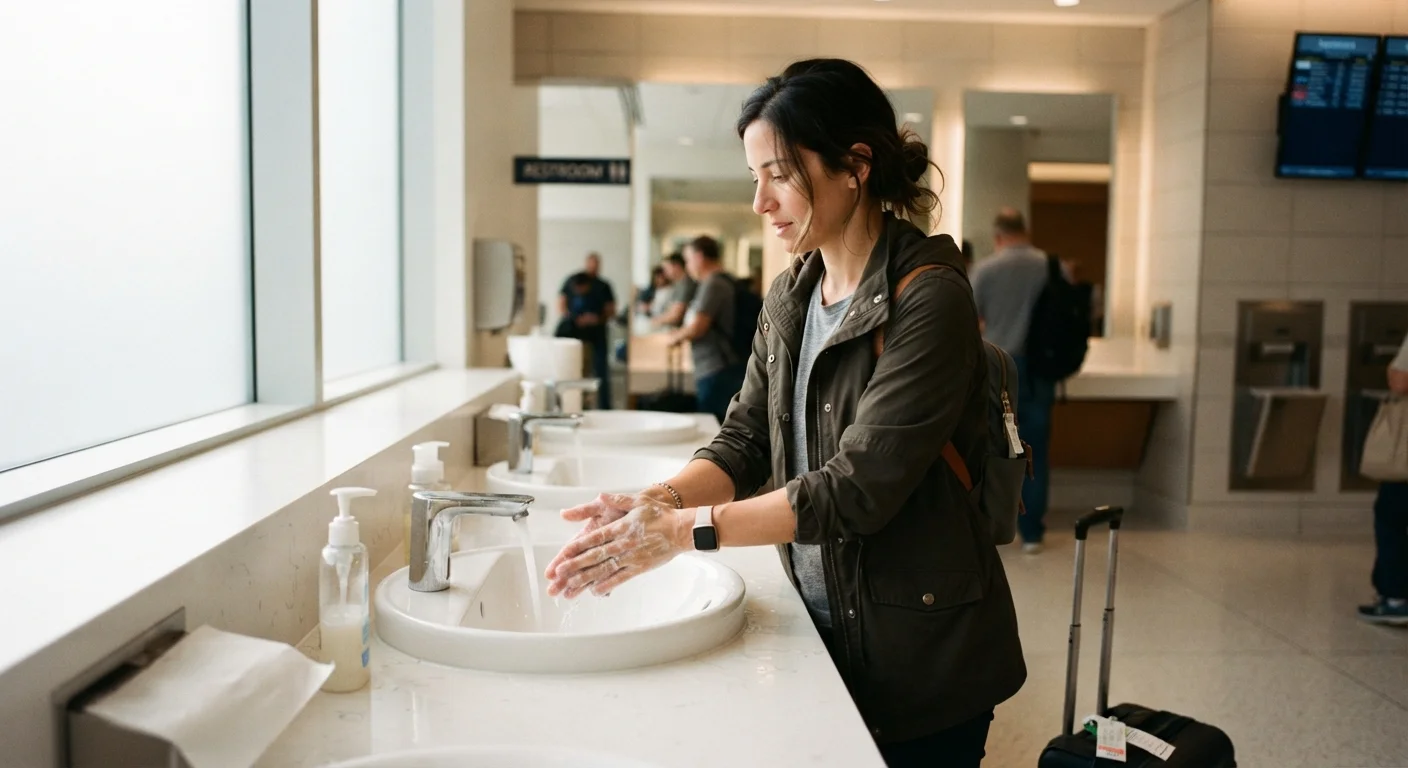
Frequent, thorough handwashing is one of the most effective and accessible ways to reduce the spread of illness while traveling. Soap and water for at least 20 seconds remains the gold standard, particularly before eating and after using public facilities. When soap isn't available, an alcohol-based hand sanitizer (generally at least 60% alcohol) serves as a practical backup.
Airports, public transit, and tourist attractions are high-touch environments where pathogens spread easily. Building a consistent hand-hygiene habit — rather than only remembering after obvious situations — makes a measurable difference across a multi-day trip.
Consistent handwashing is one of the simplest, most effective defenses available to any traveler.
Stay Hydrated and Be Mindful of What You Drink
Dehydration sneaks up quickly during travel, especially on long flights, in hot climates, or at high altitude. Cabin air is notably dry, and the excitement of exploring a new destination can make it easy to forget to drink enough water throughout the day.
In many destinations, tap water is safe to drink; in others, it may not be. Research your specific destination's water safety before you go, and when in doubt, stick to sealed bottled water, boiled water, or water treated with a reliable filtration method. Ice in drinks can be a hidden source of contamination in areas with questionable water quality — something worth knowing before you order.
Research your destination's water safety before arrival — when uncertain, opt for sealed or boiled water.
Eat Carefully Without Missing Out on Local Food
Sampling local cuisine is one of travel's great joys, and you don't need to avoid it — but a few sensible habits can reduce the risk of foodborne illness. Freshly cooked, hot food served immediately is generally lower risk than food left sitting out. Street food that's prepared in front of you and served piping hot can actually be a safer choice than buffet items that have been sitting for hours.
Fruits and vegetables that you peel yourself (think bananas, oranges, or avocados) are a reliable option in areas where produce washing practices may differ from what you're used to. Rinsed salads and raw items carry higher risk in regions with untreated water supplies.
Freshly cooked, piping-hot food served immediately is often safer than cold or pre-prepared buffet items.
Protect Your Sleep and Manage Jet Lag Proactively
Sleep deprivation weakens immune function, impairs judgment, and makes every aspect of travel harder. Long-haul flights and rapid time zone changes can disrupt your body's internal clock significantly, sometimes for several days.
Strategies that many travelers find helpful include gradually shifting sleep times before departure, seeking bright natural light during daylight hours at your destination, and staying awake until local nighttime on arrival rather than collapsing for a long nap. Staying well-hydrated and limiting alcohol on flights also supports better rest. Individual responses to jet lag vary, so experimenting to find what works for your body is worthwhile.
Protecting your sleep quality while traveling directly supports a stronger immune response on the road.
Pack a Practical Travel Health Kit
A compact health kit tailored to your destination and activities can resolve minor issues before they escalate. Common items travelers include are: oral rehydration salts, adhesive bandages and antiseptic wipes, any prescription medications in clearly labeled original packaging, a thermometer, and remedies for motion sickness or digestive discomfort (discuss appropriate options with your healthcare provider beforehand).
Check which travel documents you'll need alongside your health kit — some destinations require proof of certain vaccinations for entry. Keeping medications in your carry-on rather than checked luggage ensures access if bags are delayed.
A well-tailored health kit means minor problems stay minor rather than derailing days of your trip.
Respect Sun, Heat, and Altitude Exposure
Environmental factors are among the most underestimated health risks for travelers. Sunburn can occur faster at high altitude or near the equator than many visitors expect, and heat exhaustion can develop surprisingly quickly in humid tropical climates when you're active and not used to the conditions.
If you're visiting high-altitude destinations — such as cities in the Andes or the Himalayas — altitude sickness (also called acute mountain sickness) is a real consideration. Ascending gradually, staying hydrated, and avoiding strenuous activity in the first day or two at altitude are widely recommended approaches. If symptoms are severe or worsen, descending and seeking medical attention is important. A healthcare provider can advise on whether any preventive strategies are appropriate for your specific plans.
Sun, heat, and altitude each pose distinct health risks that catch unprepared travelers off guard.
Travel Smart, Stay Well
No single precaution is a guarantee, but layering several smart habits dramatically reduces the likelihood that illness will hijack your itinerary. Good trip planning isn't just about flights and hotels — it includes thinking ahead about your body's needs in unfamiliar environments.
Book a Pre-Travel Health Consult
Scheduling an appointment with a travel medicine specialist or your primary care provider four to six weeks before departure gives you time to address vaccinations, prescription needs, and destination-specific risks. Don't leave this until the week before — some vaccines require multiple doses spaced weeks apart. Bring a detailed itinerary so your provider can give relevant, specific guidance.
Unexpected local holidays can also affect pharmacy access, clinic hours, and transportation to medical facilities, so it pays to check our guide on planning around local holidays as part of your health prep. Staying informed and flexible is one of the most underrated aspects of healthy travel.