

Key Takeaways
Soil pH
Soil pH is a measure of how acidic or alkaline your soil is, expressed on a scale from 0 to 14. A pH of 7 is neutral; values below 7 are acidic and values above 7 are alkaline (also called basic). Most garden plants grow best in soil that falls somewhere between 6.0 and 7.0, where nutrients are most accessible to plant roots.
pH stands for 'potential of hydrogen' and reflects the concentration of hydrogen ions in the soil solution. This chemical balance directly controls nutrient solubility and microbial activity in the root zone.
Why Soil pH Is the Foundation of Plant Health
Think of soil pH as the gatekeeper for plant nutrition. Even if your soil is rich in organic matter and fertilizers, plants can't effectively absorb nutrients when pH is outside their preferred range. At very low (acidic) pH levels, aluminum and manganese can become toxic to roots. At very high (alkaline) levels, iron, manganese, and phosphorus become chemically locked in the soil and unavailable to plants — a condition called nutrient lockout.
Soil pH also shapes the microbial community underground. Beneficial bacteria that break down organic matter and support nutrient cycling are most active in near-neutral soils, while fungi that can cause plant diseases sometimes thrive in highly acidic conditions. Getting pH right supports a balanced underground ecosystem that does a great deal of the work for you.
6.0–7.0
Optimal pH range for most garden plants
This range is widely cited by university extension services across the US as the sweet spot where nutrient availability is broadest for common vegetables and ornamentals.
4.5–5.5
Preferred pH for blueberries
Blueberries are among the most pH-sensitive edible plants; soils outside this acidic range significantly reduce fruit production and plant vigor.
3–6 months
Typical time for lime to fully affect pH
According to guidance from multiple US cooperative extension programs, ground limestone works slowly and results should be evaluated across a full growing season.
How to Test Your Soil's pH
Testing is the essential first step — there's no reliable way to guess pH by looking at soil. You have several practical options:
- Home test kits: Inexpensive strips or capsule-based kits available at garden centers give quick, general readings. They're useful for a rough baseline.
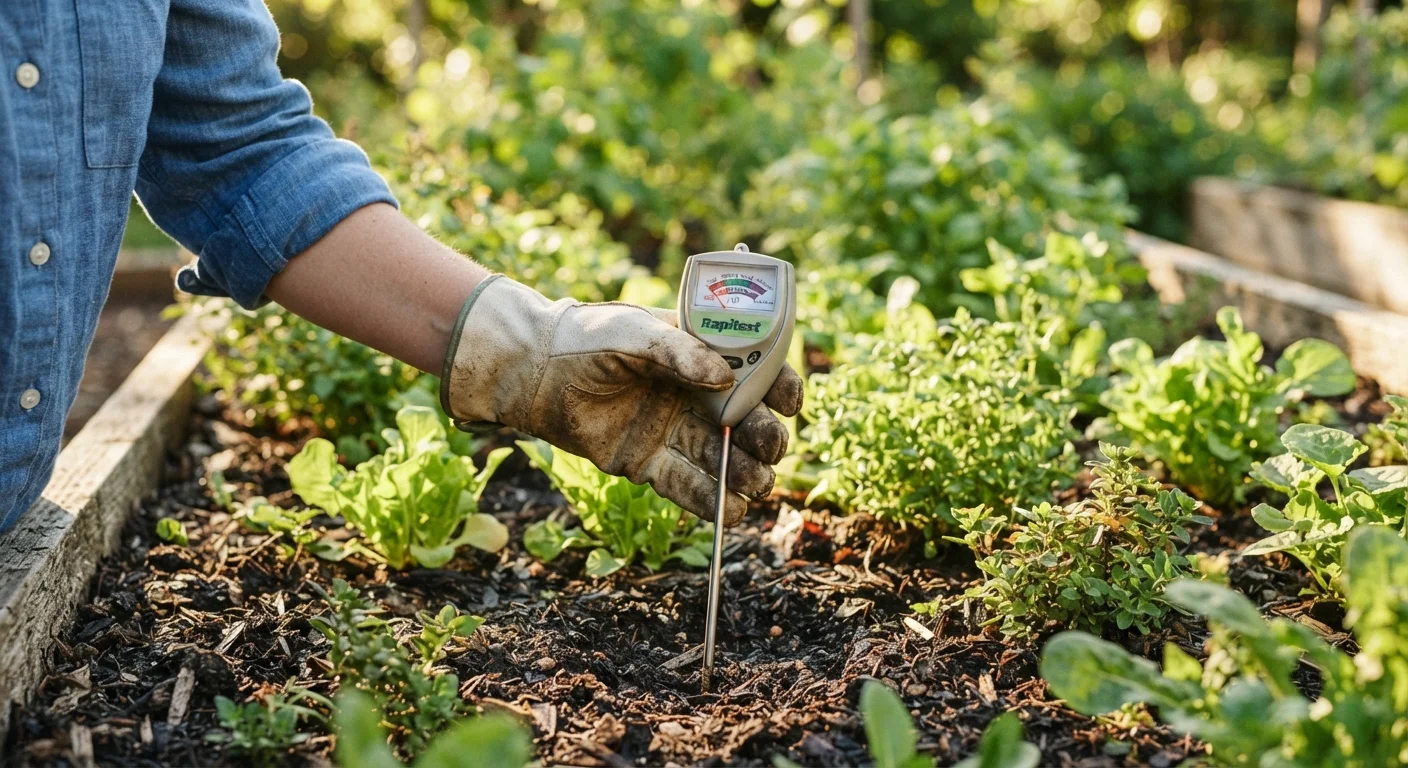
- Digital pH meters: Probe-style meters inserted directly into moist soil provide fast, reusable readings with reasonable accuracy.
- Cooperative extension soil testing: Many US land-grant universities offer low-cost lab testing through their local extension offices. This approach delivers the most detailed results, including nutrient levels and specific amendment recommendations tailored to your region.
Collect samples from several spots in your garden — near the edges, center, and any problem areas — and mix them for an averaged result. Test at a consistent depth of about 4–6 inches, which represents the active root zone for most plants.
Test in Fall for Spring Readiness
Testing soil pH in autumn gives you time to apply amendments and allow them to work before spring planting. Lime, in particular, needs weeks to months to alter soil chemistry meaningfully. This timing also aligns well with fall soil preparation tasks like adding compost or cover crops.
How to Raise or Lower Soil pH
Once you know your pH, adjustments are straightforward — though patience is required. Soil chemistry changes gradually.
To Raise pH (Make Soil Less Acidic)
Ground limestone (calcium carbonate) is the most common amendment for raising pH in acidic soils. Dolomitic lime also supplies magnesium, which many acidic soils lack. Wood ash is a faster-acting but less predictable alternative. Application rates vary based on your current pH, your target pH, and your soil texture — clay soils need more amendment than sandy soils. Always follow the guidance from your soil test results or a cooperative extension recommendation rather than guessing at quantities.
To Lower pH (Make Soil More Acidic)
Elemental sulfur is the standard amendment for alkaline soils. Soil bacteria convert it to sulfuric acid over weeks to months, gradually lowering pH. Acidifying fertilizers that contain ammonium sulfate have a mild acidifying side effect over time. Incorporating pine bark, peat moss, or composted leaves into the soil can also contribute modest acidification over multiple seasons.
Choosing the right growing setup can make pH management easier. Raised beds give you direct control over the soil mix from the start, which is particularly useful if your native soil has a pH that's difficult to shift. You can also pair pH-smart soil care with thoughtful planting choices — see how companion planting can further support plant vigor once your soil conditions are dialed in.
Soil Type Affects Amendment Rates
Clay soils have higher 'buffering capacity,' meaning they resist pH change and require larger amounts of amendment than sandy soils to achieve the same shift. If your soil is heavy clay, expect to apply more lime or sulfur and allow more time for changes to register on follow-up tests.
Matching Plants to Your Soil's Natural pH
Sometimes the most sustainable approach isn't aggressively amending your soil but selecting plants suited to your existing conditions. Acid-loving plants like azaleas, rhododendrons, blueberries, and camellias thrive at pH 4.5–5.5. Many vegetables and most lawn grasses prefer 6.0–7.0. Lavender, lilac, and clematis are among the plants that tolerate or prefer mildly alkaline conditions around 7.0–7.5.
Working with your soil's natural tendency reduces the ongoing effort of amendment and generally produces more resilient plants. When you do need to grow plants outside your soil's native range — such as growing blueberries in a naturally alkaline region — container growing or raised beds with custom soil mixes offer a more practical long-term solution than repeated heavy amendment of in-ground soil.
Retest your soil at least once per year, ideally in fall or early spring, to track any drift in pH and catch imbalances before they affect your plants. Consistent monitoring transforms soil pH from a mystery into a manageable, empowering part of your gardening practice.