

Key Takeaways
Strong links to lower cardiovascular disease risk
Multiple large-scale studies and meta-analyses associate plant-predominant diets with reduced rates of heart disease, hypertension, and stroke. The effect appears most pronounced in patterns emphasizing whole, unprocessed plant foods.
Associated with improved blood glucose and metabolic health
Research points to lower type 2 diabetes incidence among those following plant-based dietary patterns, likely linked to higher fiber intake, lower saturated fat consumption, and better weight management outcomes.
High fiber intake supports digestive health
Plant foods are the primary dietary source of fiber, which supports regular digestion, feeds beneficial gut bacteria, and is associated with lower colorectal cancer risk in observational research.
Environmental footprint is generally lower
Plant food production typically requires less land, water, and greenhouse gas emissions than animal agriculture, making this a consideration for those factoring environmental sustainability into food choices.
Accessible and affordable when built on whole foods
Staple plant proteins — dried lentils, beans, tofu — are among the most cost-effective protein sources available, making this dietary approach viable across income levels when focused on minimally processed ingredients.
Vitamin B12 deficiency risk without supplementation
B12 is not reliably available from plant foods; deficiency can cause neurological harm over time. Supplementation or regular consumption of B12-fortified foods is considered essential for those eating fully plant-based.
Lower bioavailability of certain minerals
Non-heme iron and zinc from plant sources are absorbed less efficiently than their animal-derived counterparts, and phytates in grains and legumes can further inhibit absorption, requiring thoughtful food pairing.
Ultra-processed plant foods don't confer the same benefits
Many packaged 'plant-based' products are high in sodium, refined starches, and saturated fats. Research specifically distinguishes between healthful and unhealthful plant-based diet patterns with meaningfully different health outcomes.
Most supporting evidence is observational
While the associations are consistent across large populations, observational studies cannot fully control for confounding lifestyle factors, meaning causation between plant-based eating and health outcomes cannot be definitively established.
Protein adequacy requires planning
Meeting daily protein needs — and getting a full range of essential amino acids — is achievable on a plant-based diet but requires intentional variety across legumes, grains, nuts, and seeds rather than relying on a narrow set of foods.
Our Verdict
The evidence supporting plant-based diets is substantial and consistent across multiple dimensions of health, particularly cardiovascular and metabolic outcomes. However, 'plant-based' is not automatically synonymous with 'healthy' — diet quality, nutrient planning, and personal health context all shape real-world results. This eating pattern is worth considering as part of a broader, balanced approach to nutrition.
Best suited to adults seeking evidence-informed dietary changes for long-term health, who are willing to plan meals carefully and consult a healthcare provider about individual nutrient needs.
What Does 'Plant-Based' Actually Mean?
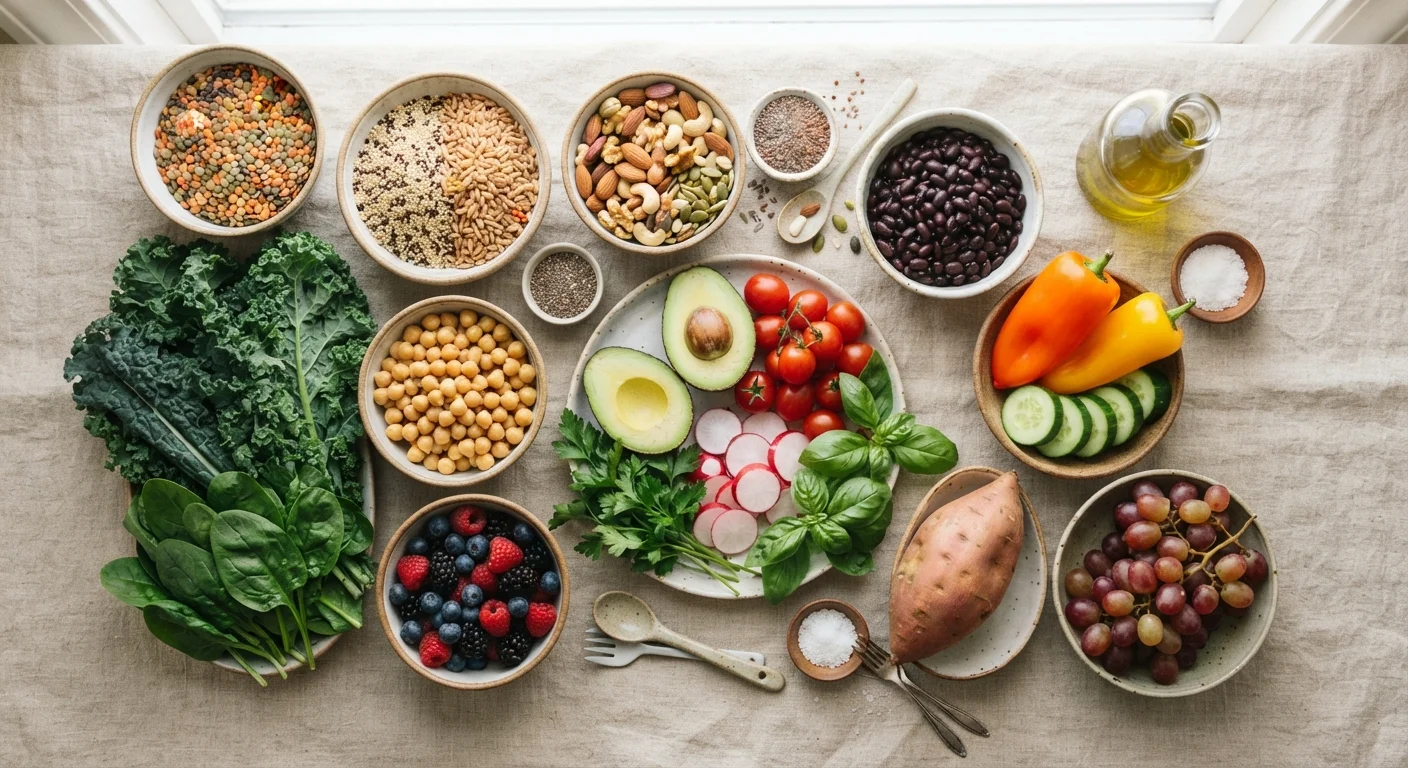
The term plant-based gets used loosely — it can describe anything from a fully vegan diet to one that simply emphasizes vegetables, legumes, whole grains, fruits, nuts, and seeds while reducing (but not eliminating) animal products. Unlike the strict definition of veganism, plant-based eating is generally understood as a spectrum rather than a binary choice.
Research tends to study specific patterns within this spectrum: vegetarian diets (no meat, sometimes including dairy and eggs), vegan diets (no animal products), and flexitarian or Mediterranean-adjacent patterns (predominantly plant foods with modest animal product intake). Understanding which pattern a study examined matters when interpreting its findings.
For context on how dietary research is sometimes oversimplified, see our look at popular diet myths nutrition science has largely moved on from.
What the Research Supports
The strongest and most consistent evidence for plant-based diets comes from cardiovascular health. Large prospective studies and meta-analyses have found associations between higher plant food intake and lower rates of heart disease, hypertension, and stroke. A 2019 review published in the Journal of the American Heart Association found plant-based dietary patterns linked to a significantly lower risk of cardiovascular mortality.
There is also reasonably strong evidence connecting plant-forward diets with reduced risk of type 2 diabetes and improved blood glucose management, as well as modest associations with lower rates of certain cancers — particularly colorectal cancer, where fiber intake appears to play a role.
Strong links to lower cardiovascular disease risk
Multiple large-scale studies and meta-analyses associate plant-predominant diets with reduced rates of heart disease, hypertension, and stroke. The effect appears most pronounced in patterns emphasizing whole, unprocessed plant foods.
Associated with improved blood glucose and metabolic health
Research points to lower type 2 diabetes incidence among those following plant-based dietary patterns, likely linked to higher fiber intake, lower saturated fat consumption, and better weight management outcomes.
High fiber intake supports digestive health
Plant foods are the primary dietary source of fiber, which supports regular digestion, feeds beneficial gut bacteria, and is associated with lower colorectal cancer risk in observational research.
Environmental footprint is generally lower
Plant food production typically requires less land, water, and greenhouse gas emissions than animal agriculture, making this a consideration for those factoring environmental sustainability into food choices.
Accessible and affordable when built on whole foods
Staple plant proteins — dried lentils, beans, tofu — are among the most cost-effective protein sources available, making this dietary approach viable across income levels when focused on minimally processed ingredients.
Additionally, gut microbiome research suggests that the diversity of fiber from plant foods supports a more varied microbial community, which is generally considered favorable, though the science of gut health and diet still has significant gaps.
Where the Evidence Gets More Complicated
Not all plant-based diets are nutritionally equal. Studies consistently show that plant-based eating patterns high in refined grains, sugary beverages, and processed convenience foods do not share the same health benefits as those built around whole, minimally processed foods. A 2017 Harvard analysis explicitly distinguished between 'healthful' and 'unhealthful' plant-based diet indices — and found the latter associated with increased cardiometabolic risk.
Vitamin B12 deficiency risk without supplementation
B12 is not reliably available from plant foods; deficiency can cause neurological harm over time. Supplementation or regular consumption of B12-fortified foods is considered essential for those eating fully plant-based.
Lower bioavailability of certain minerals
Non-heme iron and zinc from plant sources are absorbed less efficiently than their animal-derived counterparts, and phytates in grains and legumes can further inhibit absorption, requiring thoughtful food pairing.
Ultra-processed plant foods don't confer the same benefits
Many packaged 'plant-based' products are high in sodium, refined starches, and saturated fats. Research specifically distinguishes between healthful and unhealthful plant-based diet patterns with meaningfully different health outcomes.
Most supporting evidence is observational
While the associations are consistent across large populations, observational studies cannot fully control for confounding lifestyle factors, meaning causation between plant-based eating and health outcomes cannot be definitively established.
Protein adequacy requires planning
Meeting daily protein needs — and getting a full range of essential amino acids — is achievable on a plant-based diet but requires intentional variety across legumes, grains, nuts, and seeds rather than relying on a narrow set of foods.
Much of the large-scale evidence also comes from observational studies, which identify associations rather than proving causation. People who follow plant-based diets often differ from the general population in other lifestyle factors (exercise habits, smoking rates, socioeconomic status), making it difficult to isolate diet as the sole variable.
For a broader comparison of how different structured dietary approaches stack up, our article on intermittent fasting vs calorie restriction explores another commonly researched dietary strategy.
Nutrients That Need Attention
Special Populations: Consult a Professional
Pregnant or breastfeeding individuals, children, older adults, and people managing chronic conditions have specific nutrient needs that may be harder to meet on a fully plant-based diet. Standard general guidance may not apply. Always consult a registered dietitian or physician before adopting significant dietary changes if you fall into any of these groups.
Several nutrients are harder to obtain in adequate amounts from plant foods alone, and their deficiency risks are well-documented. Vitamin B12 is found almost exclusively in animal products; anyone following a fully plant-based diet is generally advised to supplement it. Iron from plant sources (non-heme iron) is less bioavailable than heme iron from meat, though pairing iron-rich plant foods with vitamin C sources can improve absorption.
Long-chain omega-3 fatty acids (EPA and DHA), calcium, zinc, iodine, and vitamin D also warrant attention depending on the specific foods included. These are not reasons to avoid plant-based eating — they are simply factors to plan around, ideally with guidance from a registered dietitian. See our guide to building a balanced plate for practical meal-structuring strategies.
~25%
Reduced cardiovascular disease risk in plant-based dieters
A meta-analysis in the Journal of the American Heart Association found vegetarian diets associated with roughly a 25% lower risk of ischemic heart disease compared to non-vegetarian diets.
23%
Lower type 2 diabetes incidence
A pooled analysis published in JAMA Internal Medicine found plant-based dietary patterns associated with a 23% reduced risk of type 2 diabetes across multiple cohort studies.
Practical Considerations for Getting Started
Shifting toward more plant-based eating does not require an all-or-nothing approach. Evidence suggests even partial dietary shifts — such as replacing red and processed meat several times per week with legumes or whole grains — are associated with meaningful health benefits. This incremental approach can also be more sustainable for most people over the long term.
Cost is a real barrier for some, though plant proteins like lentils, dried beans, and canned chickpeas are among the most affordable foods available. Our piece on eating well on a budget covers strategies for nutritious, affordable meals. Reading food labels carefully — especially on packaged 'plant-based' products, which can be high in sodium and saturated fat — is also advisable.
This article is for general informational purposes only and does not constitute medical or dietary advice. Speak with a qualified healthcare provider or registered dietitian before making significant changes to your diet, particularly if you have an existing health condition.