

Key Takeaways
Oil Viscosity Grade
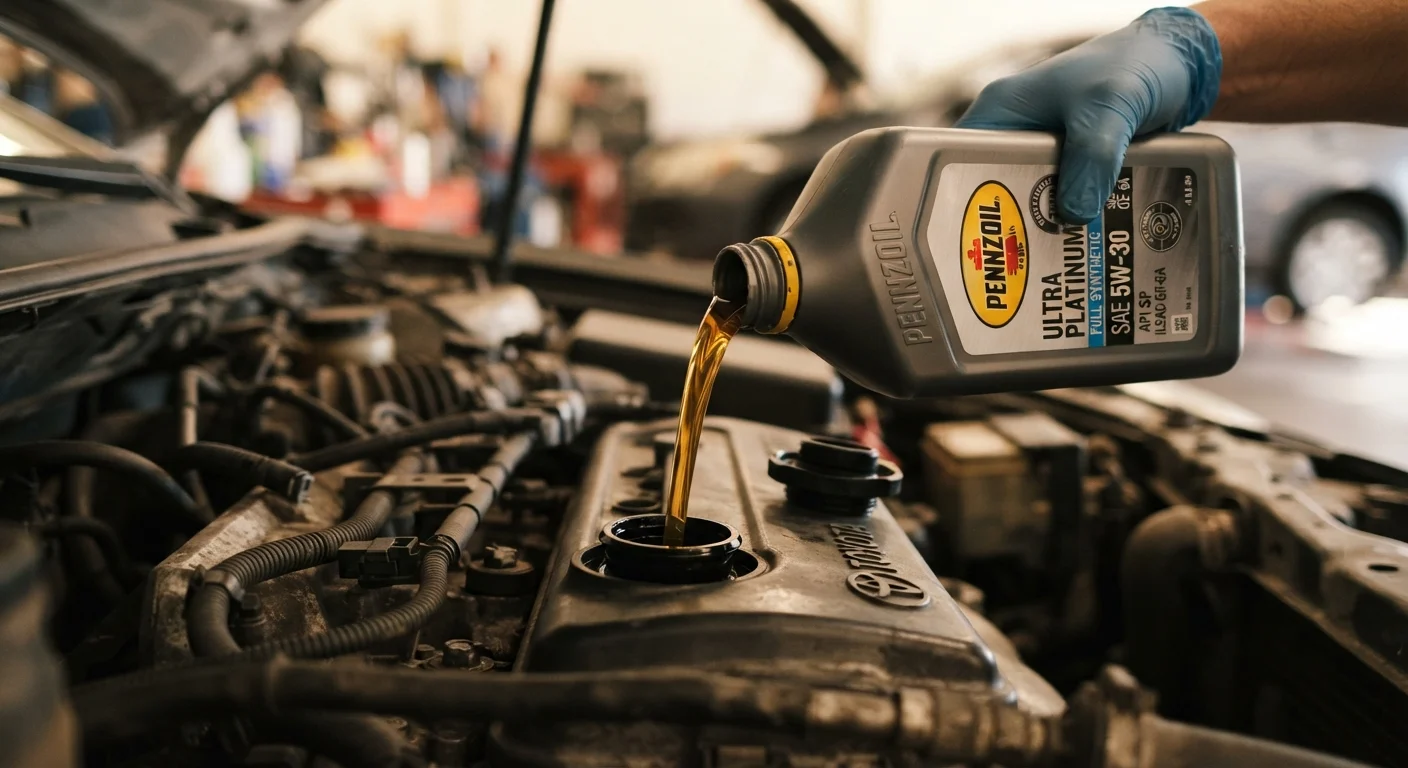
Oil viscosity grade is a standardized rating that describes how thick or thin motor oil is and how it flows at different temperatures. The rating helps drivers and mechanics match the right oil to an engine's design requirements. Common grades like 5W-30 or 10W-40 are set by the Society of Automotive Engineers (SAE) and appear on every oil container.
The 'W' in a multi-grade rating stands for 'winter,' and the number before it indicates cold-temperature flow performance; the number after indicates high-temperature viscosity at 212°F (100°C).
Decoding the Numbers: What Oil Grades Actually Mean
Every bottle of motor oil carries an SAE viscosity rating — a code like 5W-30, 0W-20, or 10W-40. These numbers aren't arbitrary. They communicate precisely how the oil behaves under real-world temperature conditions, and understanding them is the first step toward making an informed maintenance decision.
The letter W stands for winter, not weight. The number preceding it describes the oil's flow characteristics in cold temperatures — specifically, how easily it pumps through the engine during a cold start. A lower W-number (like 0W or 5W) means the oil remains fluid at lower temperatures, which is critical because engines are most vulnerable to wear in the first seconds after startup, before oil pressure builds.
The number after the dash reflects the oil's viscosity at normal engine operating temperature, typically around 212°F (100°C). A higher number here — say, 40 versus 30 — indicates a thicker oil film at operating temperature, which may be appropriate for engines running under heavy loads or in hot climates.
~30%
Engine wear occurring at cold startup
Industry engineering estimates suggest a significant share of total engine wear happens in the first moments after a cold start, before oil fully circulates — underscoring the importance of the W-rating.
0W–20
Most common OEM spec for newer vehicles
Low-viscosity grades have become increasingly common factory specifications in newer passenger vehicles as automakers optimize for fuel efficiency and tighter engine tolerances.
2–5%
Potential fuel economy impact from wrong viscosity
Using an oil that is significantly thicker than specified can measurably reduce fuel efficiency due to increased internal friction, according to general automotive engineering principles.
Why Viscosity Matching Matters for Your Engine
Engine tolerances — the microscopic gaps between moving metal parts — are engineered around a specific oil viscosity. When oil of the correct grade flows through those gaps, it creates a protective film that prevents metal-to-metal contact. Use oil that's too thin, and that film breaks down under high heat or load. Use oil that's too thick, and it circulates sluggishly, especially at startup, leaving parts momentarily unprotected.
The consequences aren't always immediate. Using a slightly off-spec grade in mild conditions may cause no noticeable short-term harm. But over thousands of miles, the cumulative effect of inadequate lubrication accelerates wear on bearings, camshafts, and cylinder walls — components that are expensive to repair or replace.
Always Check Before You Top Off
If you're topping off between oil changes, use the same grade already in the engine. Mixing significantly different viscosity grades — even of the same oil type — can alter the blend's overall performance characteristics. Keep a small bottle of the correct grade in your trunk for emergencies.
This is also why oil type matters alongside grade. For a deeper look at how formulation affects performance, see our guide to synthetic vs. conventional motor oil.
How to Find the Right Grade for Your Vehicle
The single most reliable source for your vehicle's required oil grade is the owner's manual. Manufacturers specify viscosity based on engine design, internal tolerances, and the temperature ranges the vehicle was built to operate in. This specification doesn't change based on oil brand or marketing claims.
Many modern vehicles — particularly those with turbocharged engines or variable valve timing systems — are specifically engineered for lower-viscosity oils like 0W-20 or 5W-20. Using a heavier grade in these engines can interfere with hydraulically operated components and may affect fuel efficiency. Our article on how to read your owner's manual like a mechanic walks through exactly which sections contain this critical information.
Climate plays a secondary role. In regions with very cold winters, a lower W-number ensures adequate cold-start protection. In extremely hot or high-altitude environments, the operating-temperature rating becomes more relevant. Your owner's manual often accounts for these ranges, sometimes listing two acceptable grades for different conditions.
Common Misconceptions Worth Correcting
A persistent belief among some drivers is that thicker oil is always better — that a higher viscosity number equates to stronger protection. In practice, engine oil is engineered to exacting specifications, and exceeding those specs carries its own risks. Overly thick oil resists flow, particularly in cold conditions, and can reduce the efficiency of oil-pressure-driven systems like variable valve timing actuators.
Another common assumption is that switching grades is harmless in an emergency. While a single oil change with a close substitute is unlikely to cause immediate damage, it should be corrected at the next service. Common car maintenance myths — including the idea that any oil will do in a pinch — can lead to habits that quietly erode engine longevity.
When Grade and Oil Type Intersect
Viscosity grade and oil formulation (synthetic vs. conventional) are separate but related decisions. A synthetic oil in the correct viscosity grade generally outperforms conventional oil in the same grade under temperature extremes. However, using a synthetic oil in the wrong viscosity grade still carries the same risks as any other incorrect choice. Both factors matter.
For vehicles that sit for extended periods, viscosity choices intersect with other considerations. Oil degrades chemically over time regardless of mileage, which affects its protective properties. See our piece on keeping a low-mileage car in good shape for related guidance.