

Travel & Adventure

Before You Board: A Pre-Trip Checklist for International Travel

Share
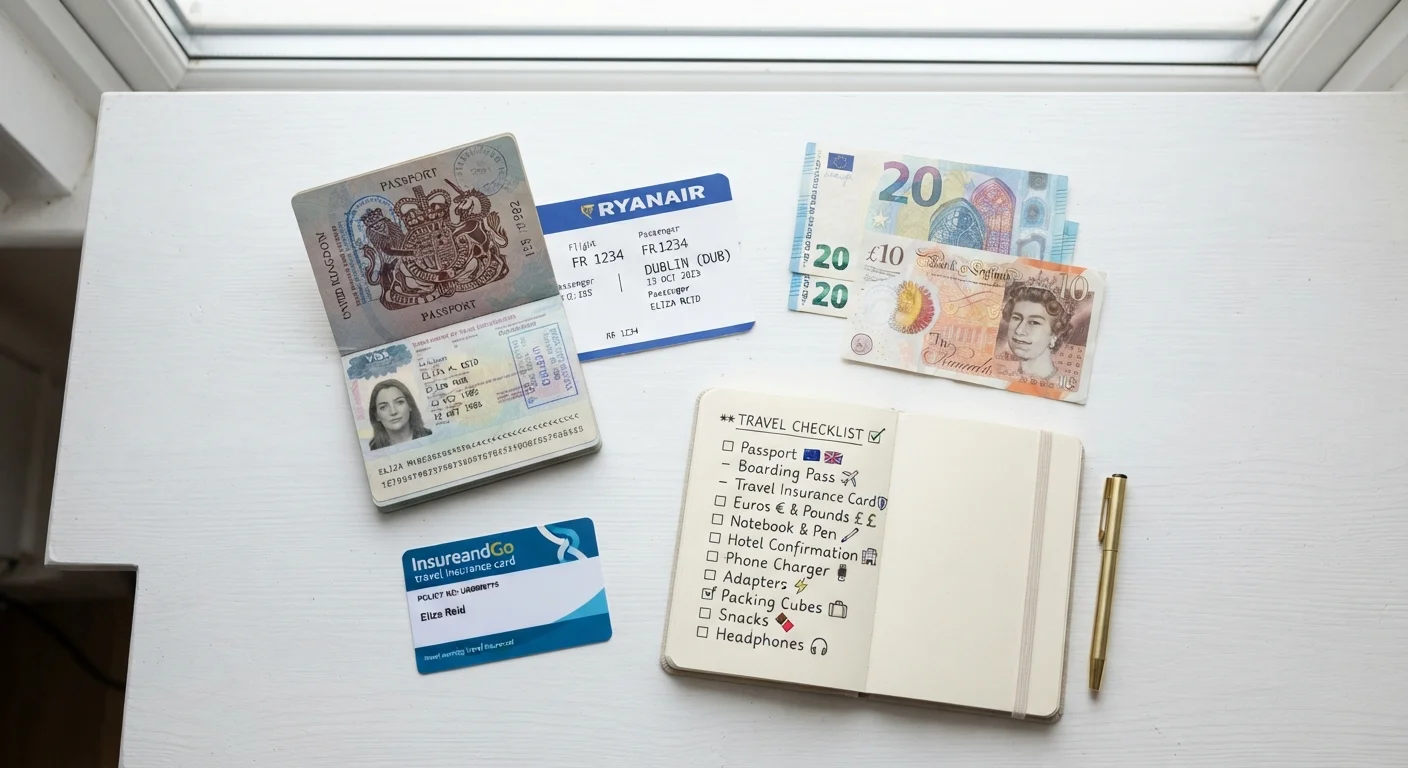
Passport, boarding pass, travel documents and checklist laid out flat on a white surface

Key Takeaways

Passport validity requirements vary by country — many destinations require six months beyond your travel dates.
Notify your bank and credit card providers before departure to prevent fraud blocks on your accounts abroad.
Consult a travel health professional well in advance, as some vaccine courses require weeks to complete.
Securing your home and setting up mail holds before you leave reduces risk while you're away.
Keeping digital and physical copies of key documents separately can be a trip-saver if originals are lost.
45–90 min

Summary

28 items · 45–90 minutes

Why a Pre-Trip Checklist Changes Everything

International travel is one of life's most rewarding adventures — but even seasoned globetrotters can get tripped up by forgotten documents, blocked bank cards, or a vaccination they didn't know they needed. A thorough pre-departure checklist transforms that pre-flight anxiety into genuine confidence. Think of it as a final dress rehearsal: run through every item once, and you can board knowing you've covered your bases.

This checklist is designed as part of a bigger picture. If you want to understand how all the pieces of trip preparation connect, check out The Anatomy of a Well-Planned Trip for a broader look at the planning process. For anything that overlaps with last-minute verification, Everything You Should Verify Before Departure is a helpful companion read.

Work through each section below at your own pace. We recommend starting this checklist at least four to six weeks before departure for health-related steps, then revisiting the full list in the final 48 hours before you fly.

Required

Official government travel advisory portal

Verify entry requirements, visa rules, and safety advisories for your destination country from an authoritative source.

Required

Secure cloud storage or encrypted email

Store digital copies of your passport, insurance, and travel documents so they're accessible from anywhere if originals are lost.

Required

Travel health clinic

Get destination-specific vaccination and health advice from a qualified professional before you depart.

Optional

U.S. State Department STEP program (or equivalent)

Register your international trip so your embassy can contact you in the event of an emergency abroad.

Required

Universal power adapter

Ensure your electronics can charge in destinations with different outlet types or voltage standards.

Documents, Health, and Financial Readiness

The first three checklist groups — documents, health, and finances — are the backbone of any international trip. Passport validity is among the most commonly overlooked issues; many countries require at least six months of validity beyond your return date, and an expired or nearly-expiring passport can mean being turned away at the gate.

Visa and Entry Rules Change Frequently

Entry requirements — including visa eligibility, vaccination proof, or health declarations — can change with little advance notice. Always verify the latest rules directly through your destination country's official embassy or immigration website, as well as your own government's travel advisory portal, within a few weeks of departure. Do not rely solely on third-party travel sites for this information.

On the health side, preparation is deeply personal. Requirements vary by destination, and some vaccine schedules require multiple doses spread over several weeks. For a broader look at staying well on the road, see our guide on staying healthy while traveling. Remember: this checklist offers general guidance only — always consult a qualified healthcare professional for advice specific to your health history and destination.

Financially, the single most impactful step most travelers skip is notifying their bank. A simple call or app notification before you leave can prevent your card from being frozen at the worst possible moment.

Documents & Entry Requirements

Confirm your passport is valid for at least six months beyond your return date, and check the specific entry rule for each destination country. Must
Research and obtain any required visas or electronic travel authorizations (ETAs) well before your departure date. Must
Make two copies of your passport, visa, and itinerary — leave one with a trusted contact at home and carry one separately from originals. Must
Save digital scans of all key documents to a secure cloud folder or encrypted email you can access anywhere. Should
Check your destination's official government travel advisory and entry requirements through your country's foreign affairs portal. Must

Health & Vaccinations

Schedule a pre-travel health consultation with a qualified healthcare provider at least four to six weeks before departure to discuss destination-specific health considerations. Must
Carry a sufficient supply of any prescription medications you take regularly, along with a letter from your prescribing physician. Must
Pack a basic travel health kit including bandages, antidiarrheal tablets, rehydration salts, and pain relievers appropriate for your needs. Should
Research local health risks such as food and water safety, altitude, or insect-borne illnesses for your specific destination. Should
Locate the nearest reputable medical facilities at your destination and save the contact information before you arrive. Nice to have

Finances & Money

Notify your bank and all credit card providers of your travel dates and destinations to prevent automated fraud flags from blocking your cards. Must
Carry a small amount of local currency in cash for arrival expenses like ground transport or tips before you can access an ATM. Should
Identify low-fee ATM or card options for your destination and understand the local currency exchange landscape. Should
Set a daily travel budget and note emergency fund access in case of unexpected expenses or flight changes. Should

Travel Insurance & Emergency Planning

Purchase and review a travel insurance policy that covers medical emergencies, trip cancellation, and lost baggage before your departure date. Must
Record your country's embassy or consulate contact details for each destination you'll visit and store them offline. Must
Share your full itinerary — including accommodation addresses and flight numbers — with a trusted contact at home. Must
Register your trip with your country's travel registry service (such as the U.S. State Department's STEP program) so officials can reach you in an emergency. Should

Packing Essentials

Check your airline's current baggage allowance and carry-on restrictions before packing to avoid fees or confiscations at the gate. Must
Pack a universal power adapter and confirm the voltage compatibility of your electronics for your destination's outlet standard. Should
Bring destination-appropriate clothing accounting for climate, cultural dress norms, and planned activities. Should
Include photocopies of your insurance card, emergency contacts, and any relevant medical information in your carry-on bag. Should
Pack a small personal item bag for the flight with essentials like medications, phone charger, and a change of clothes in case checked luggage is delayed. Nice to have

Home Security & Logistics

Arrange for mail holds, newspaper cancellations, or a trusted neighbor to collect deliveries so your absence isn't obvious. Should
Set timers on interior lights or arrange for a house-sitter to maintain normal activity patterns at home. Should
Unplug non-essential appliances and secure all windows, doors, and garage access points before leaving. Must
Arrange care for any pets or plants and confirm those arrangements are confirmed and understood by your caretaker. Must
Set an out-of-office reply on your email with limited information — avoid publicly broadcasting the exact dates you'll be away. Nice to have

Packing, Home Security, and Final Checks

Once documents and health are locked in, attention turns to what you're bringing and what you're leaving behind. Smart packing isn't just about fitting everything into your bag — it's about having the right things accessible when you need them. Keep essentials like medications, a phone charger, and a copy of your insurance in your carry-on, not your checked bag.

Prescription Medications Require Extra Care

Some medications that are legal in the United States may be controlled or prohibited in other countries. Carry a physician's letter detailing your prescription, and research your destination's specific rules for importing medication before you pack. When in doubt, contact that country's embassy to confirm what documentation is required.

Don't Overshare Travel Plans Online

Broadcasting your exact departure dates and return on social media can signal to opportunists that your home is unoccupied. Share your exciting travel news after you're back, and limit real-time location updates to trusted contacts only.

Home security is easy to overlook in the excitement of final packing, but a few simple steps — secured doors and windows, a light timer, and a trusted neighbor with a key — can give you genuine peace of mind while you're abroad. And when you finally reach the airport, arriving calm and prepared is its own reward. If you want to make the checkpoint experience even smoother, airport security myths worth knowing can help you separate fact from fiction before you get in line.

Safe travels — the world is waiting, and you're more ready than you think.

Travel & Adventure Editorial Team is the collective byline for our editorial team and contributor network. Articles published under this byline or an editorial pen name are researched, written, and reviewed according to our editorial standards for clarity, consistency, and independence before publication.

View all articles by Travel & Adventure Editorial Team →
Disclaimer: The content on this site is for informational purposes only and is not a substitute for professional advice. Always consult a qualified professional for guidance specific to your situation.