

Travel & Adventure

Planning a First Visit to a Major African Safari Destination: What to Know Before You Go

Share
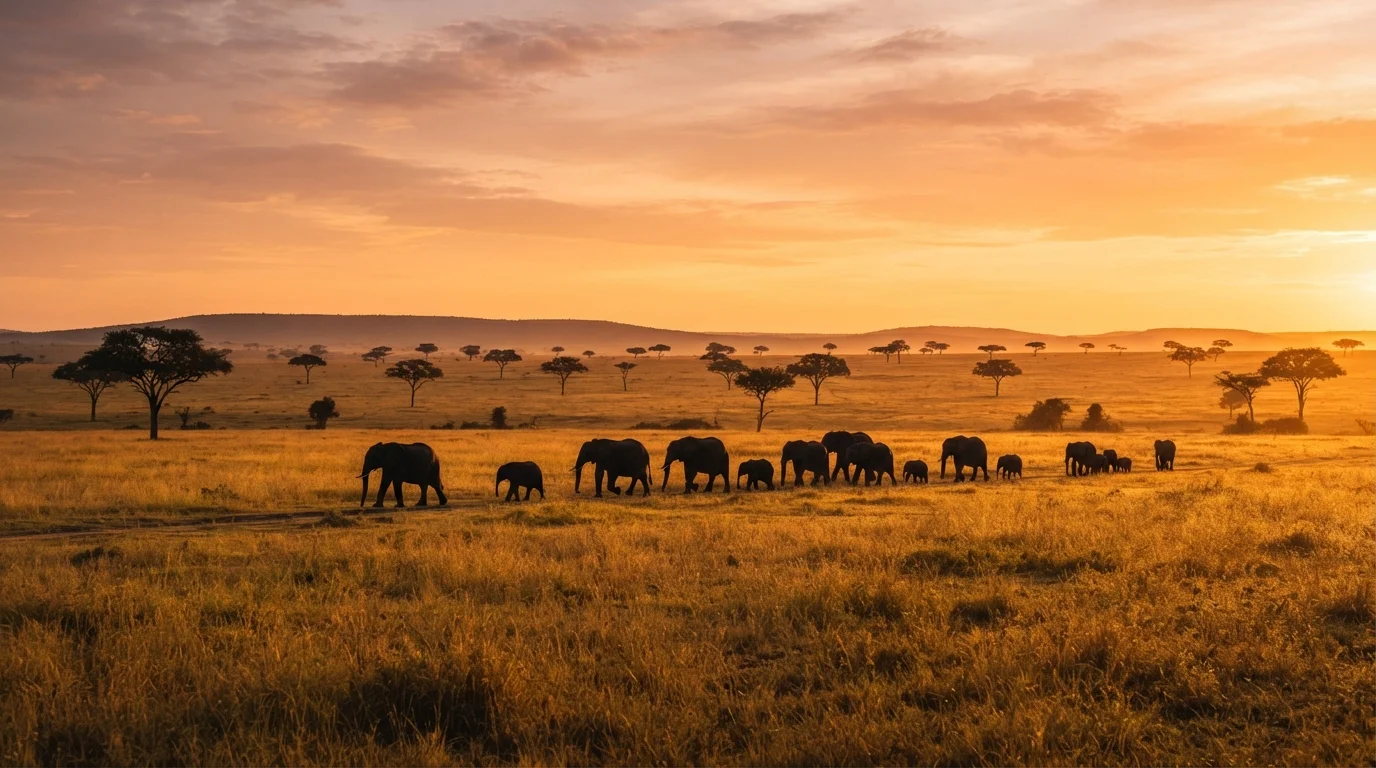
Elephants silhouetted against a golden African savanna sunrise with acacia trees in the background

Key Takeaways

African safari destinations vary dramatically in ecosystem, wildlife density, and accessibility — research each region individually.
Timing your visit around dry and wet seasons significantly affects wildlife viewing and overall experience.
Health and entry requirements differ by country; verify official sources well before departure.
Safari styles range from self-drive parks to luxury guided camps — knowing the difference shapes your budget and experience.
Conservation ethics and responsible travel practices are essential considerations when choosing operators and lodges.
First-timers benefit from working with a knowledgeable specialist who can match expectations to the right destination.
30–60 min

Summary

22 items · 30–60 minutes

Why Safari Destination Research Matters More Than You Think

"Africa" is not one destination — it's a continent spanning dozens of countries, radically different ecosystems, and wildlife experiences that vary from sparse to staggering depending on where and when you go. The Serengeti, the Okavango Delta, Kruger National Park, the Masai Mara, Etosha, and the Luangwa Valley each have a distinct rhythm, a different cast of wildlife, and their own logistical realities. Choosing blindly — or based on a single viral photo — can mean arriving at the wrong park in the wrong season and feeling disappointed despite being somewhere genuinely extraordinary.

This checklist is designed to help first-time safari visitors ask smarter questions before committing to a destination and a booking. Whether you're drawn to the drama of the Great Migration, the trackless wilderness of Botswana, or the self-drive accessibility of South Africa's Kruger, working through these items will help you arrive prepared, excited, and ready to make the most of every game drive. For a broader foundation on trip planning, see the anatomy of a well-planned trip — it lays out the phases every international journey should move through.

Destination Research

Identify which ecosystem interests you most — open savanna, wetland delta, dense bush, or semi-arid plains — and match destinations accordingly. Must
Research the signature wildlife species at each shortlisted destination and confirm whether they're reliably sighted year-round or only seasonally. Must
Check whether the destination requires a domestic flight, long overland transfer, or is drivable from a major international airport. Must
Investigate the conservation status of the park or reserve — national park, private conservancy, or game reserve — and understand how it affects rules, crowding, and off-road driving permissions. Should

Timing and Seasonality

Research the dry and wet seasons for your target destination and determine which months offer the best wildlife visibility for your interests. Must
Check whether the Great Migration or other major wildlife events are tied to specific windows if those are a priority for your trip. Should
Verify shoulder and peak season pricing differences — high season can cost significantly more and typically requires advanced booking. Should
Consider the trade-offs of green season travel — lower prices, fewer crowds, lush landscapes — against reduced wildlife concentration in areas with water. Nice to have

Health and Entry Requirements

Consult a travel medicine clinic or licensed healthcare provider at least 6–8 weeks before departure to discuss vaccinations and malaria prophylaxis appropriate for your destination. Must
Check current visa requirements for your destination country using your government's official travel advisory website — not third-party aggregators. Must
Confirm whether a yellow fever vaccination certificate is required for entry into or transit through any country on your itinerary. Must
Review your government's current travel advisory for each country on your itinerary and note any safety, health, or entry restrictions. Must

Safari Style and Budget

Decide between a guided lodge safari, a mobile tented camp, a self-drive safari, or a combination itinerary based on your comfort level and budget. Must
Understand what is typically included in lodge rates — game drives, meals, park fees, transfers — versus what is charged separately. Must
Research tipping norms for guides, trackers, and camp staff in your destination country, and budget accordingly. Should
Evaluate whether a specialist safari operator or a general travel agent is better suited to your needs, especially for complex multi-country itineraries. Should

Conservation and Responsible Travel

Research how lodges and operators contribute to conservation and local community benefit — look for verifiable affiliations with recognized conservation bodies. Should
Familiarize yourself with responsible wildlife viewing guidelines — minimum safe distances, no flash photography rules, and no-feeding policies — before your first game drive. Must
Ask operators specifically about their environmental practices, including waste management, water use, and vehicle limits per wildlife sighting. Nice to have

Tools and Resources to Have on Hand

Working through this checklist is easier with the right references at your side. Below are the key resources to gather before you start researching in earnest.

Required

Official Government Travel Advisory Portal

Check current safety ratings, entry requirements, and health advisories for each country on your itinerary.

Required

Travel Medicine Clinic or Healthcare Provider

Get personalized vaccination and malaria prevention recommendations specific to your destination and health history.

Required

Destination Country Tourism Authority Website

Access official park maps, permit requirements, seasonal information, and accredited operator lists.

Optional

Field Guide or Wildlife Identification App

Help you recognize and learn about the animals, birds, and plants you'll encounter during game drives.

Required

Travel Insurance Provider

Secure comprehensive coverage including medical evacuation, trip cancellation, and wildlife activity coverage before departure.

Once you've assembled these resources, use the checklist above as your framework for evaluating each destination candidate. If you're heading out solo, the solo travel overview for first-timers offers complementary guidance specific to independent travelers.

Before You Book: Final Checks and Departure Prep

Completing destination research is just the start. Once you've settled on a safari region, the broader pre-trip logistics kick in — and they matter just as much as picking the right park. Entry requirements, vaccination records, travel insurance, and document preparation all need attention weeks or even months in advance.

Entry Requirements Change — Always Verify Officially

Visa rules, vaccination certificate requirements, and health declarations for African countries can shift with little notice. Never rely solely on travel blogs, booking platforms, or this article for entry specifics. Always check your own government's official travel advisory and the destination country's immigration authority website as close to your departure date as possible.

Medical Prep Cannot Be Left to the Last Minute

Some vaccines recommended for African safari destinations — such as typhoid, hepatitis A, or rabies — require multiple doses or time to build immunity. Starting the process less than six weeks before travel may mean you're unprotected. Book a travel medicine consultation as early in your planning process as possible.

Our pre-trip checklist for international travel covers documents, health prep, finances, and home security in thorough detail. For a final sweep before departure day, see everything you should verify before departure. If this is your first time planning an independent trip from scratch, this primer for first-time independent travelers walks through every stage in plain language.

This article provides general travel information and education only. Entry requirements, health recommendations, safety conditions, and wildlife regulations change regularly. Always verify current requirements with official government sources, your country's foreign affairs department, and licensed healthcare providers before traveling.

Travel & Adventure Editorial Team is the collective byline for our editorial team and contributor network. Articles published under this byline or an editorial pen name are researched, written, and reviewed according to our editorial standards for clarity, consistency, and independence before publication.

View all articles by Travel & Adventure Editorial Team →
Disclaimer: The content on this site is for informational purposes only and is not a substitute for professional advice. Always consult a qualified professional for guidance specific to your situation.