

Key Takeaways
The Minimum Payment Trap Explained
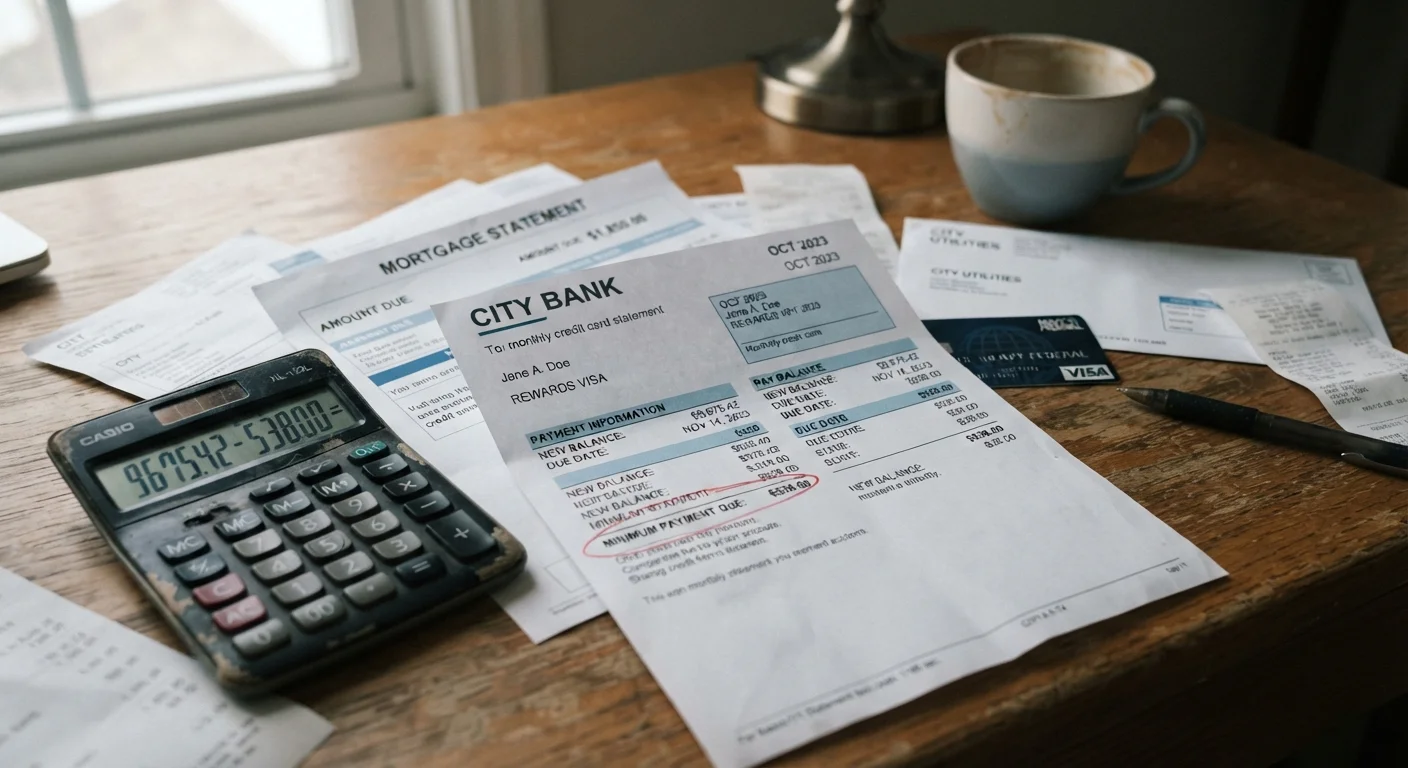
Minimum payments are designed to keep your account in good standing — not to help you pay off debt efficiently. Credit card issuers typically set minimums at around 1–3% of your outstanding balance, or a small flat dollar amount, whichever is greater. The result is a monthly obligation that feels affordable while quietly extending your debt for years.
Consider a $5,000 credit card balance at a 20% annual percentage rate (APR — the yearly cost of borrowing, including interest). If you make only the minimum payment each month, it could take over 15 years to pay off that balance, and you may end up paying more than double the original amount in interest alone. The math is stark, but many people never see it laid out plainly.
If terms like APR or principal feel unfamiliar, our debt terminology guide breaks them down clearly.
15+ years
Estimated payoff time on minimum payments alone
Consumer Financial Protection Bureau illustrative examples show a $5,000 balance at ~20% APR can take well over a decade to clear paying only the minimum.
~2x
Potential total cost versus original balance
Interest accumulation on a high-rate card paid at minimum levels can roughly double what a borrower ultimately pays back on the original debt.
Mistakes That Keep People Stuck
Several specific habits and misconceptions cause people to remain trapped in minimum-payment cycles. Recognizing these patterns is the first step toward changing them.
Treating the minimum payment as the target payment rather than the floor.
Why it happens: Issuers present the minimum as a clear, prominent number on the statement, making it feel like the intended monthly goal rather than a legal safeguard against default.
Ignoring how much of each payment goes to interest versus principal.
Why it happens: Statements don't always make the interest-versus-principal breakdown obvious, so many people assume their payment is chipping away at the balance more than it actually is.
Making new purchases while only paying the minimum on an existing balance.
Why it happens: Once a card feels "manageable," it's easy to continue using it for everyday spending, not realizing that new charges compound the problem on top of an already slow-moving payoff.
Believing that making consistent minimum payments is building good credit effectively.
Why it happens: There's a widespread myth that carrying a balance and paying minimums demonstrates responsible credit use. In reality, high credit utilization — the percentage of your available credit in use — can suppress your credit score. Our article on debt myths that slow repayment addresses this misconception directly.
Failing to connect minimum payments to the broader household budget.
Why it happens: Credit card payments are often treated as fixed expenses, like rent, rather than as a variable line item that can and should be increased when cash flow allows.
Minimum Payments Do Not Protect Your Credit Score from Utilization Damage
Paying on time prevents late marks on your credit report, but it does not reduce your credit utilization ratio. Carrying a balance close to your credit limit — even if you never miss a minimum payment — can significantly lower your credit score. The only way to improve utilization is to pay down the balance itself.
How to Break the Cycle
Escaping the minimum payment trap doesn't require a windfall. Even modest increases in your monthly payment can produce meaningful results. Paying an extra $50 or $100 per month on a high-interest balance can shave years off your repayment timeline and save a substantial amount in interest.
Start by reviewing your most recent statement. Federal law requires credit card issuers to include a minimum payment warning showing how long full repayment will take at the minimum rate versus a fixed accelerated amount. Use that information as your baseline.
If you're managing several debts at once, structured repayment methods can help you prioritize. See strategies for paying down multiple debts for approaches that keep momentum going across accounts.
For those weighing whether to put extra dollars toward debt or a savings cushion, paying off debt versus building savings first walks through the key considerations without a one-size-fits-all answer. And if you want to automate progress, automating savings while carrying debt explains how to sequence both goals thoughtfully.
This article is for general informational purposes only and does not constitute personalized financial or investment advice. Consult a qualified financial professional for guidance specific to your situation.