

Key Takeaways
Stress Response
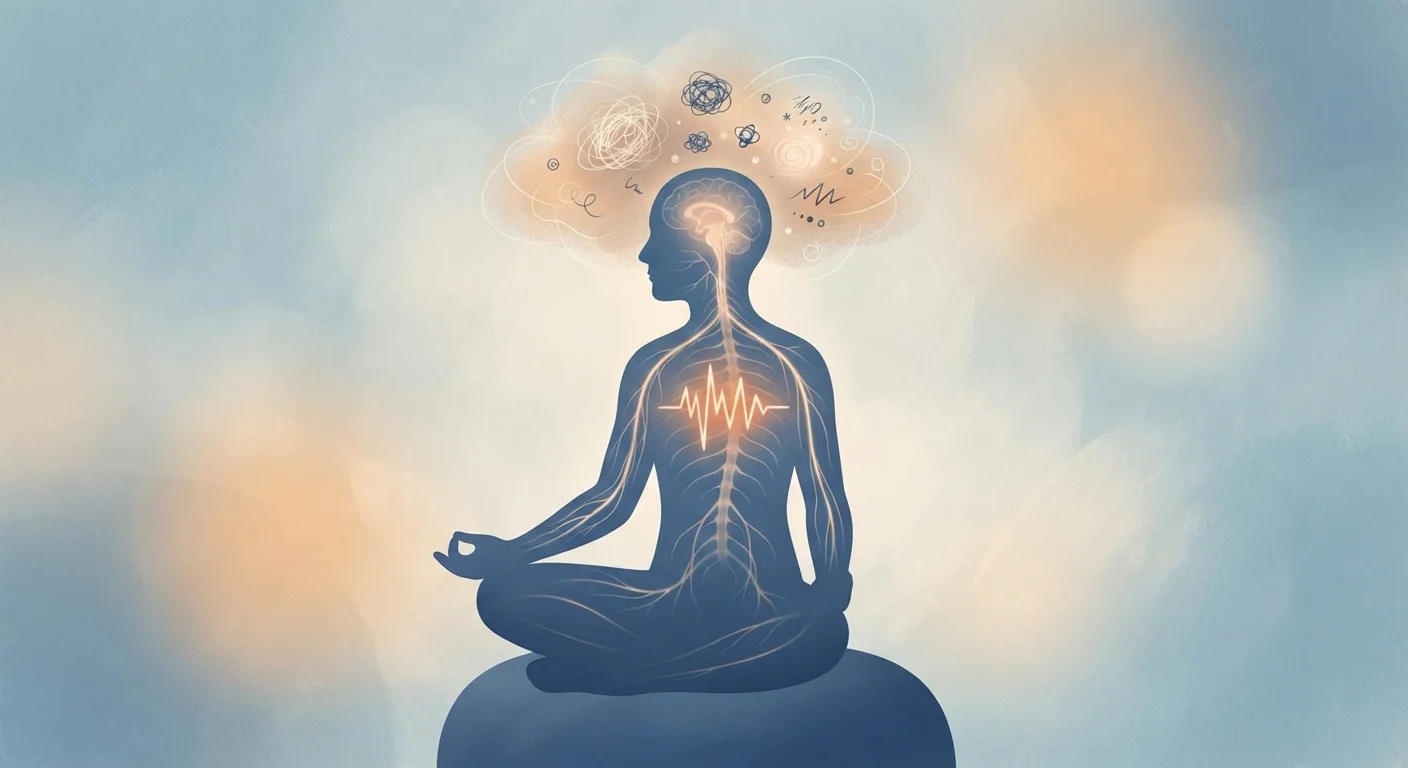
The stress response is your body's built-in reaction to perceived threats or demands. It triggers a cascade of hormonal and physiological changes designed to help you act quickly. While helpful in short bursts, this same system can cause real harm when it stays activated over a long period.
The stress response is primarily mediated by the hypothalamic-pituitary-adrenal (HPA) axis and the sympathetic nervous system, which together regulate cortisol and adrenaline release.
Acute vs. Chronic Stress: Why the Distinction Matters
Not all stress is the same, and treating it as one thing is one of the most common misconceptions in everyday health conversations. Acute stress is the short-term variety — the spike of alertness before a presentation, or the jolt of adrenaline when you brake suddenly. It's time-limited and, in modest doses, can actually sharpen performance and focus.
Chronic stress, by contrast, is ongoing and often tied to circumstances that don't quickly resolve: financial pressure, caregiving demands, relationship strain, or a persistently high-pressure work environment. This sustained activation is where most of the documented health risks lie — not because stress itself is toxic, but because your body was never designed to run its emergency systems indefinitely.
Understanding which type you're dealing with shapes how you respond. Acute stress generally resolves on its own; chronic stress usually requires deliberate intervention, whether through lifestyle changes, professional support, or both.
A Note on Perceived vs. Objective Stress
The body's stress response is triggered by perceived threat, not just objective danger. Two people in identical situations can have very different physiological responses based on how they interpret and appraise what's happening. This is why stress management is never one-size-fits-all, and why psychological framing and coping resources matter alongside the external situation itself.
What Stress Does to Your Body
When the brain registers a threat — real or perceived — it signals the release of stress hormones, primarily cortisol and adrenaline (also called epinephrine). These prepare the body to fight or flee: heart rate rises, blood pressure increases, digestion slows, and energy is redirected to muscles.
In the short term, this is adaptive. But when these systems stay activated, the cumulative effect on the body is significant:
- Cardiovascular system: Sustained high blood pressure and heart rate increase strain on the heart and blood vessels over time.
- Immune function: Chronic cortisol elevation is associated with suppressed immune response, potentially making the body slower to respond to infection.
- Digestive system: Stress disrupts gut motility and can worsen conditions like irritable bowel syndrome. The gut-brain connection means emotional state and digestive health are closely linked.
- Sleep: Elevated cortisol in the evening interferes with the wind-down process, contributing to difficulty falling or staying asleep — which then worsens stress tolerance the following day.
77%
Americans reporting physical stress symptoms
According to the American Psychological Association's Stress in America survey, a large majority of US adults regularly experience physical symptoms they associate with stress.
3x
Increased cardiovascular risk with chronic work stress
Research published in peer-reviewed occupational health journals has found that chronic high-demand, low-control work environments are associated with substantially elevated cardiovascular risk over time.
These physical effects are not inevitable outcomes of a stressful life, but they are real signals worth paying attention to. A qualified healthcare provider is the right person to evaluate any physical symptoms you're experiencing.
How Stress Reshapes Thinking and Emotion
The cognitive and emotional effects of chronic stress are often less visible than physical symptoms but no less disruptive. Sustained cortisol exposure affects several key brain regions:
- Hippocampus: Involved in learning and memory consolidation, this region is particularly sensitive to prolonged stress hormone exposure. People under chronic stress often report difficulty retaining new information or recalling things clearly.
- Prefrontal cortex: Responsible for planning, decision-making, and emotional regulation. When stress is high, activity in this area tends to decrease, making it harder to think clearly, prioritise, or respond thoughtfully rather than reactively.
- Amygdala: The brain's threat-detection centre becomes more active under chronic stress, heightening emotional reactivity — making smaller frustrations feel larger and increasing susceptibility to anxiety.
The result is a feedback loop that can be self-reinforcing: stress impairs the cognitive tools you'd normally use to manage it. This is why practices like mindfulness — which support prefrontal regulation — are of genuine interest to researchers studying stress resilience.
“The brain is not a static organ. Chronic stress physically remodels neural circuits — but the good news is that many of those changes are reversible with the right support and sustained recovery.”
— Robert Sapolsky, Neuroendocrinologist and professor at Stanford University, author of research on stress biology
Building Everyday Resilience Against Stress
No lifestyle habit eliminates stress, but several have meaningful evidence behind them as buffers. Regular physical movement influences brain chemistry in ways that support mood and stress recovery. Social connection matters too — belonging and relationships have measurable effects on how the nervous system responds to pressure.
It's also worth examining less obvious contributors. Digital habits like constant notifications and doom-scrolling can keep the stress response lightly activated throughout the day without most people noticing the cumulative toll.
Start with What's in Your Control
When stress feels overwhelming, focus first on anchoring the basics: consistent sleep timing, brief daily movement, and at least one genuine social interaction. These aren't quick fixes, but they support the physiological recovery your nervous system needs. Small, consistent habits compound over time in ways that sporadic interventions don't.
If stress is becoming harder to manage — affecting sleep consistently, straining relationships, or making it difficult to function day to day — that's worth taking seriously. Our guide on recognising when stress may need professional support outlines specific signals to watch for. A healthcare provider or mental health professional is the right resource when everyday strategies aren't enough.
This article is for general informational and educational purposes only and is not a substitute for professional medical or mental health advice. Always consult a qualified healthcare provider with questions about your health or wellbeing.