

Health & Wellness

Everything to Consider Before Starting a New Exercise Programme

Share
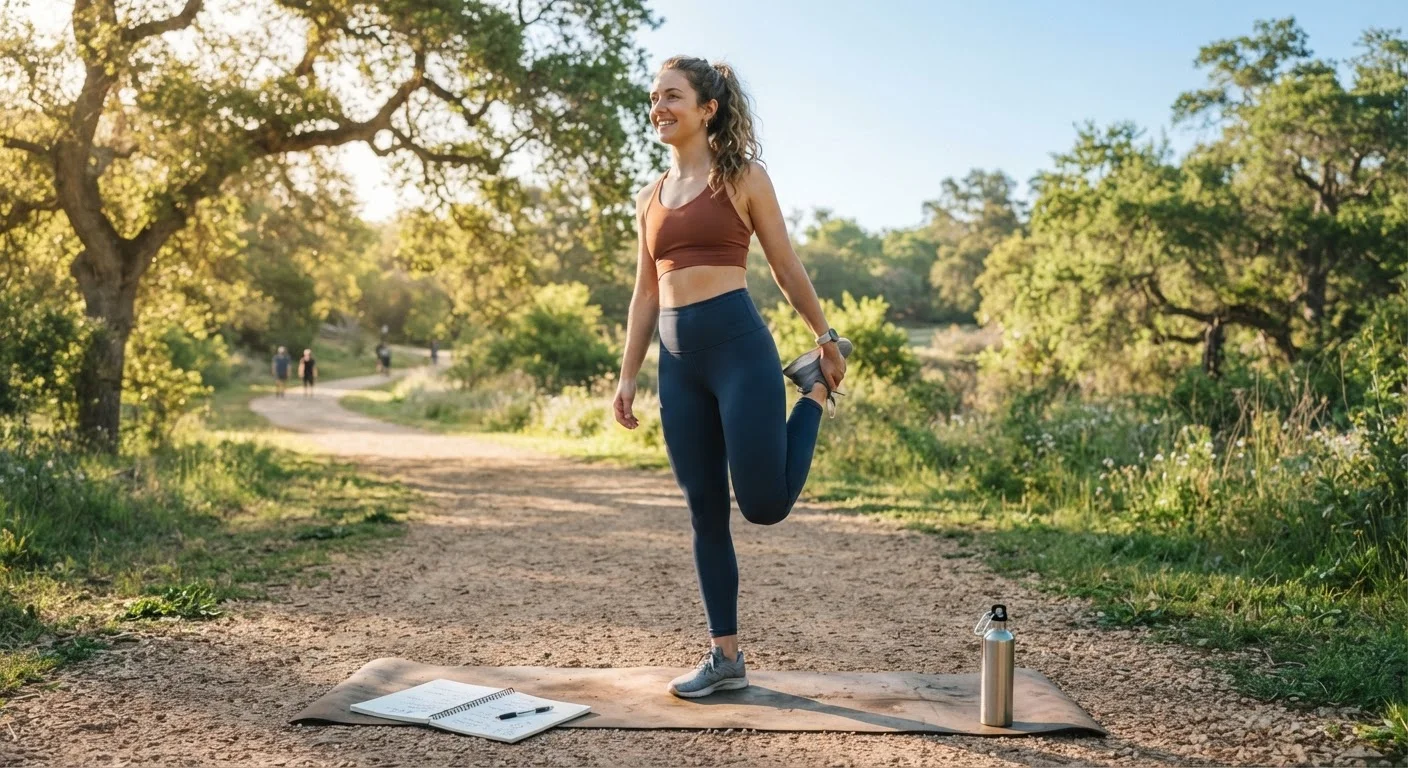
Person in athletic wear stretching outdoors before starting an exercise routine on a sunny morning

Key Takeaways

Consulting a healthcare provider before starting is essential for anyone with existing health conditions.
Setting specific, realistic goals improves long-term adherence far more than motivation alone.
Choosing activity types you genuinely enjoy is one of the strongest predictors of consistency.
Starting at a manageable intensity and progressing gradually reduces injury risk significantly.
Having the right gear and a clear schedule removes common barriers before they arise.
20–40 min

Summary

22 items · 20–40 minutes

Why Preparation Makes the Difference

Most exercise programmes don't fail because people lack willpower — they fail because the groundwork wasn't laid carefully enough. Rushing into a new fitness routine without thinking through your health baseline, practical logistics, and personal preferences almost guarantees early burnout or injury.

This checklist is designed for everyday readers who want to build an active lifestyle on solid footing, whether you're completely new to structured exercise or returning after time away. If the latter applies to you, our companion article on starting exercise after a long break offers detailed guidance on what your body can realistically expect in those early weeks.

Work through each section below before your first session. Many of these items take just a few minutes but can prevent weeks of setbacks.

Health & Medical Readiness

Schedule a check-in with your primary care provider if you have a chronic condition, cardiovascular history, joint problems, or haven't been physically active for more than a year. Must
Complete a PAR-Q (Physical Activity Readiness Questionnaire), a widely used self-screening tool that flags whether medical clearance is advisable before exercise. Must
Review any current medications with your provider, as some affect heart rate, hydration, balance, or exercise tolerance. Must
Note any recent injuries, surgeries, or areas of recurring pain that may require exercise modification. Must
Discuss exercise plans with your provider if you are pregnant, postpartum, or managing a condition such as diabetes, asthma, or osteoporosis. Must

Goal Setting

Write down one or two specific, measurable goals — such as exercising three times per week or walking for 30 minutes without stopping — rather than vague intentions like 'get fit.' Must
Set a realistic timeline that accounts for your current fitness level; meaningful cardiovascular improvements typically take several weeks of consistent effort. Should
Identify your primary motivation (energy, stress management, strength, social connection) so you can choose activities genuinely aligned with it. Should
Write down one or two backup goals so that if your main goal becomes temporarily unachievable — due to injury or schedule — you still have a reason to continue. Nice to have

Choosing Your Activity

List physical activities you have enjoyed in the past or are genuinely curious about — enjoyment is one of the strongest predictors of long-term adherence. Must
Consider a mix of cardiovascular exercise (walking, cycling, swimming), strength training, and flexibility work to support overall health. Should
Decide whether you prefer solo exercise, group classes, or a workout partner, and choose formats that match your preference. Should
Research low-cost or free options in your area — community centres, parks, and online programmes — before committing to a gym membership. Nice to have

Scheduling & Environment

Block specific exercise times in your calendar for the first four weeks, treating them as non-negotiable appointments. Must
Identify a consistent location for your workouts — whether at home, outdoors, or at a facility — to reduce decision fatigue. Should
Plan a practical fallback option for days when your primary plan is disrupted (e.g., a short home workout if the gym is unavailable). Should

Gear & Safety Basics

Invest in properly fitted, activity-appropriate footwear — poorly fitting shoes are a common and preventable cause of lower-limb injuries. Must
Prepare a water bottle and establish a habit of drinking water before, during, and after exercise. Must
Wear comfortable, breathable clothing appropriate to the activity and weather conditions. Should
If exercising outdoors, plan for sun protection (sunscreen, hat) and be aware of environmental conditions such as heat, cold, or uneven terrain. Should
Consider a basic fitness tracker or free phone app to log activity — tracking creates accountability and reveals progress over time. Nice to have

Tools and Resources to Have Ready

You don't need expensive equipment to begin exercising safely and effectively. The essentials are straightforward, and most can be sourced at low cost or already exist in your home.

Required

Supportive Athletic Footwear

Properly fitted shoes suited to your activity reduce injury risk and improve comfort during exercise.

Required

Water Bottle (reusable)

Staying hydrated before, during, and after workouts supports performance and recovery.

Required

PAR-Q Self-Screening Form

This standardised readiness questionnaire helps identify whether you should seek medical clearance before starting.

Optional

Journal or Notes App

Recording goals, session details, and how you feel builds accountability and highlights patterns over time.

Optional

Fitness Tracking App (free)

Many free smartphone apps can log workouts, walking distance, or heart rate without requiring extra hardware.

Optional

Resistance Bands or Light Dumbbells

Affordable and versatile, these support basic strength training at home without requiring a gym.

Remember: the goal at this stage is readiness, not perfection. A well-worn pair of supportive shoes and a filled water bottle will serve you better than a full kit you haven't yet decided how to use.

Start Gradually — Progress Is Not Linear

One of the most common mistakes new exercisers make is starting at too high an intensity and burning out or getting injured within the first two weeks. General guidance from exercise science supports beginning at a comfortable effort level and increasing duration or intensity by no more than roughly 10% per week. If you feel excessive soreness, dizziness, chest discomfort, or sharp joint pain during or after exercise, stop and consult a healthcare provider before continuing.

This article is for general informational purposes only and does not constitute medical advice. Always consult a qualified healthcare professional before beginning a new exercise programme, especially if you have any pre-existing health conditions, are pregnant, or have been inactive for an extended period.

Health & Wellness Editorial Team is the collective byline for our editorial team and contributor network. Articles published under this byline or an editorial pen name are researched, written, and reviewed according to our editorial standards for clarity, consistency, and independence before publication.

View all articles by Health & Wellness Editorial Team →
Disclaimer: The content on this site is for informational purposes only and is not a substitute for professional advice. Always consult a qualified professional for guidance specific to your situation.